Blog

  • The Whole-Home Net-Zero Retrofit Blueprint

    Transforming a traditional house into a net-zero home is one of the most rewarding investments a property owner can make. In simple terms, a net-zero home produces as much clean energy as it consumes over the course of a single year. Achieving this balance requires far more than just bolting a few solar panels onto a roof and hoping for the best. It calls for a systematic, whole-home approach that treats every building system as an interconnected component of a larger machine.
    When property owners embark on this journey, they quickly discover that true energy efficiency is about balance. Reducing the overall energy load of the structure must always happen before installing renewable generation hardware. If a house leaks conditioned air through an uninsulated attic or relies on outdated mechanical equipment, any clean power generated will be wasted right away. By analyzing how heat moves through walls, how electricity powers daily routines, and how thermal comfort is maintained, homeowners can build a clear roadmap toward zero net energy consumption.
    A crucial early step involves sizing power generation to match actual household consumption patterns. Integrating a modern residential solar system allows a building to offset its grid consumption during peak hours and store excess energy in battery banks for later use. However, setting up generation capacity is only half the battle. The household must also ensure that power-hungry equipment and climate systems run as efficiently as possible.
    Upgrading heating and cooling infrastructure plays a central role here, as space conditioning usually accounts for more than half of a residential building’s total energy budget. Scheduling a full furnace-repair’>HVAC installation with high-efficiency equipment drastically slashes basic kilowatt-hour demands. This reduction makes it much easier for clean energy systems to handle the entire household energy load year-round. Taking time to establish a comprehensive strategy from day one prevents costly mistakes, avoids oversized equipment, and ensures that every contractor involved works toward a unified efficiency goal.
    Furthermore, a proper plan considers future energy needs, such as adding electric vehicles or expanded family living spaces. Anticipating growth prevents premature upgrades down the road and keeps installation costs manageable over time.

    Fortifying the Outer Shell and Roof Dynamics

    Fortifying the Outer Shell and Roof Dynamics

    Before adding high-tech energy equipment, the physical envelope of the house must be thoroughly evaluated and improved. The roof, exterior walls, windows, and foundation form the primary defense against heat gain in the summer and heat loss in the winter. If the building shell is weak or poorly insulated, mechanical systems have to work twice as hard to maintain comfortable indoor temperatures.
    The roof deserves special attention during a net-zero overhaul because it bears the full brunt of extreme weather conditions and carries heavy structural loads. Bringing in a qualified roofer to inspect the decking, rafter support, and underlayment ensures the structure can handle decades of weather exposure and added equipment weight. Addressing minor structural deficiencies or hidden leaks early on prevents disastrous repairs after complex equipment is mounted on top of the shingles.
    Attic ventilation is another critical factor that directly influences overall building performance and seasonal energy use. Poorly ventilated attics trap extreme heat during summer months, radiating thermal energy down into living spaces and forcing cooling equipment to run continuously. Installing an advanced wind vented roof system helps equalize attic pressure and flush out trapped heat naturally through wind-driven vacuum forces. This passive ventilation technique lowers surface temperatures across the entire upper structure without drawing a single watt of electricity from the grid.
    In addition to thermal control, comprehensive air sealing must be performed across all top plates, recessed light fixtures, and plumbing penetrations entering the attic space. Dense insulation, such as blown cellulose or closed-cell spray foam, should be applied to achieve high thermal resistance values. When the roof structure is sound, properly vented, and tightly insulated, the overall heating and cooling demands of the building drop dramatically. This thermal stability protects internal components, creates a baseline for zero-energy performance, and ensures that the structural foundation is prepared for long-term operational success.
    By treating the roof and attic space as a single thermal shield, property owners reduce indoor temperature swings significantly. This stability relieves stress on mechanical equipment and keeps interior rooms comfortable throughout extreme summer heatwaves and winter freezes.

    Upgrading the Electrical Infrastructure for Modern Demands

    Upgrading the Electrical Infrastructure for Modern Demands

    A successful net-zero transition fundamentally changes how a house consumes, converts, and manages electricity. Older residences were typically designed for modest electrical loads, often equipped with 100-amp panels that simply cannot support modern electrification goals. Transitioning away from fossil fuels means adding heavy electrical demands, including electric vehicle chargers, heat pumps, induction cooktops, and battery backup units.
    Upgrading the main service panel to a 200-amp or 400-amp configuration is almost always necessary to handle these increased loads safely. Engaging licensed electricians ensures that load calculations are performed according to local building codes and safety standards. These professionals can also install smart subpanels that give homeowners real-time visibility into their power consumption. Smart panelboards allow users to prioritize essential circuits during power outages and automate load shedding so high-draw systems do not overpower the main utility connection.
    Beyond main service upgrades, internal branch circuits must be audited for efficiency and safety. Legacy wiring, loose connections, and ungrounded outlets increase electrical resistance, causing hidden power losses, voltage drops, and potential fire hazards throughout the structure. Dedicated high-voltage lines must be routed for modern kitchen equipment, electric water heating systems, and specialized outdoor machinery. Proper circuit distribution prevents power surges and guarantees steady, reliable performance across all electronic devices without tripping main breakers.
    Everyday appliances also contribute significantly to the baseline power draw of a home, often consuming energy even when turned off. Seeking professional appliance service can help identify phantom loads, miscalibrated thermostats, or worn internal components in major household machines. Repairing or replacing inefficient motors, worn door seals, and aging control boards helps reduce unnecessary background power consumption. By optimizing every electrical branch and eliminating hidden energy leaks, the entire electrical system operates at peak reliability, establishing a solid foundation for clean energy integration.
    Smart power monitoring tools offer another layer of protection by alerting homeowners to unusual energy spikes in real time. Catching minor electrical glitches or failing components early prevents costly equipment damage and keeps overall household energy consumption predictable month after month. Modern monitoring hardware links directly to mobile devices, giving property owners full control over their home’s electrical health from anywhere.

    Reimagining Heating and Cooling Mechanics

    Because heating and cooling represent the single largest slice of residential energy consumption, transforming thermal systems is essential for achieving net-zero performance. Traditional combustion heating systems rely on burning natural gas, propane, or fuel oil, which inherently produces carbon emissions and wastes energy through exhaust flues. Eliminating these fossil-fuel dependencies requires shifting to advanced electric heat pump technology.
    Ground-source heat pumps represent one of the most efficient thermal management choices available to modern homeowners today. Investing in a geothermal installation allows homeowners to leverage the constant temperature of the earth several feet below the surface. Because underground temperatures remain steady around 50 to 55 degrees Fahrenheit year-round, ground-source systems require far less energy to heat a home in winter or cool it in summer compared to traditional air-source equipment. This consistency results in dramatic energy savings during extreme weather conditions.
    Conversely, keeping an old, inefficient furnace in service creates a massive operational bottleneck that prevents a home from reaching true net-zero performance. Older units frequently suffer from cracked heat exchangers, leaky duct connections, and inefficient blower motors that consume excessive electricity. Replacing legacy combustion units with ultra-efficient multi-stage electric heat pumps or hybrid thermal systems ensures that every unit of electricity consumed yields maximum heating output.
    Proper duct design and airflow management are equally critical when upgrading thermal systems. Air ducts running through unconditioned attics or crawlspaces must be sealed with mastic duct sealant and insulated to prevent thermal losses. Variable-speed blowers should be calibrated to maintain precise humidity control and even temperatures across every room. When space conditioning equipment is properly sized through detailed Manual J calculations, the system operates smoothly, avoids short-cycling, and consumes only a fraction of the energy required by legacy equipment.
    High-efficiency filtration systems integrated into ductwork also improve indoor air quality while protecting sensitive internal mechanical components from heavy dust accumulation. Clean internal components maintain optimal heat transfer rates, ensuring the heat pump maintains its rated efficiency through years of continuous operation without wasting power or overworking the system compressor.

    Managing Water Systems and Preventing Efficiency Loss
    Water heating is typically the second-largest energy expense in a residential building, following closely behind space heating and cooling. Standard tank-style electric water heaters operate continuously to maintain hot water, leading to substantial standby heat loss throughout the day. In a net-zero retrofit, water heating mechanics must be updated to minimize standby losses and lower total gallon-per-minute demands.
    Partnering with a skilled local plumber is essential when converting to high-efficiency water heating technologies, such as hybrid heat pump water heaters. These units pull ambient heat from the surrounding air to heat water, using up to 70 percent less electricity than standard resistance water heaters. The plumber can also install low-flow fixtures, heat recovery drain systems, and insulated hot water pipes to ensure that hot water reaches taps quickly without thermal loss along the pipe run.
    Long-term energy performance also hinges on proactive maintenance across all mechanical systems in the home. Neglecting routine checkups leads to component degradation, clogged filters, dirty coils, and restricted airflow. These mechanical issues force electric motors to work much harder and draw significantly more power than necessary, eroding the efficiency gains achieved during the initial retrofit.
    For instance, staying on top of seasonal AC repairs prevents small refrigerant leaks or dirty evaporator coils from turning into major power drain issues. Clean coils and correct refrigerant charges ensure that cooling equipment operates at its rated seasonal energy efficiency ratio. Regularly replacing air filters, flushing water heater tanks to eliminate sediment build-up, and checking system operating pressures keeps every utility system functioning at maximum efficiency. This ongoing attention to mechanical health prevents efficiency degradation and guarantees that the property maintains its net-zero balance for decades to come.
    Regular maintenance inspections also give homeowners complete peace of mind by preventing sudden mechanical breakdowns during peak seasonal usage. A well-maintained home operates quietly, efficiently, and reliably, protecting the owner’s investment while maintaining low utility expenses throughout every season. Setting up a recurring inspection schedule keeps mechanical systems performing like new for years.

    Executing a Strategic Multi-Trade Retrofit Plan

    Achieving net-zero performance is a comprehensive journey that requires careful planning, trade coordination, and realistic project scheduling. Because every building system influences the performance of others, homeowners must avoid treating upgrades as isolated, piecemeal projects. Installing massive power generation systems before reducing building energy loads often leads to oversized, overly expensive equipment that operates inefficiently over its lifespan.
    A successful execution strategy starts with a comprehensive whole-home energy audit. Blower door tests, thermal imaging scans, and duct leakage assessments provide clear data on where energy is being lost. With this information in hand, property owners can sequence their retrofits logically: sealing the building envelope first, upgrading mechanical and electrical infrastructure second, and sizing clean energy generation last.
    Working with experienced trade professionals who understand whole-home building science is key to smooth project execution. Coordinating schedules between contractors ensures that electrical service panels are upgraded before heat pumps are installed, and roof structures are reinforced before generation equipment is mounted. Clear communication across trades eliminates unnecessary rework, reduces project delays, and keeps overall construction costs under control.
    Financial planning is another essential component of a successful net-zero blueprint. Property owners should take full advantage of available federal tax credits, state energy rebates, and local utility incentives designed to offset the upfront costs of energy retrofits. Many programs offer substantial savings for panel upgrades, high-efficiency heat pumps, insulation improvements, and clean energy hardware. By combining strategic trade coordination, thorough building science, and available financial incentives, homeowners can successfully transform any standard residence into a resilient, ultra-efficient, net-zero power producer for the future.
    Ultimately, investing in a complete net-zero retrofit enhances daily living comfort, increases long-term property market value, and eliminates vulnerability to rising energy prices. Taking a deliberate, phased approach ensures that every dollar spent contributes directly to a healthier, more sustainable home environment for generations to come.


     

    Transforming a traditional house into a net-zero home is one of the most rewarding investments a property owner can make. In simple terms, a net-zero home produces as much clean energy as it consumes over the course of a single year. Achieving this balance requires far more than just bolting a few solar panels onto a roof and hoping for the best. It calls for a systematic, whole-home approach that treats every building system as an interconnected component of a larger machine.
    When property owners embark on this journey, they quickly discover that true energy efficiency is about balance. Reducing the overall energy load of the structure must always happen before installing renewable generation hardware. If a house leaks conditioned air through an uninsulated attic or relies on outdated mechanical equipment, any clean power generated will be wasted right away. By analyzing how heat moves through walls, how electricity powers daily routines, and how thermal comfort is maintained, homeowners can build a clear roadmap toward zero net energy consumption.
    A crucial early step involves sizing power generation to match actual household consumption patterns. Integrating a modern residential solar system allows a building to offset its grid consumption during peak hours and store excess energy in battery banks for later use. However, setting up generation capacity is only half the battle. The household must also ensure that power-hungry equipment and climate systems run as efficiently as possible.
    Upgrading heating and cooling infrastructure plays a central role here, as space conditioning usually accounts for more than half of a residential building’s total energy budget. Scheduling a full furnace-repair’>HVAC installation with high-efficiency equipment drastically slashes basic kilowatt-hour demands. This reduction makes it much easier for clean energy systems to handle the entire household energy load year-round. Taking time to establish a comprehensive strategy from day one prevents costly mistakes, avoids oversized equipment, and ensures that every contractor involved works toward a unified efficiency goal.
    Furthermore, a proper plan considers future energy needs, such as adding electric vehicles or expanded family living spaces. Anticipating growth prevents premature upgrades down the road and keeps installation costs manageable over time.

    Fortifying the Outer Shell and Roof Dynamics


    Before adding high-tech energy equipment, the physical envelope of the house must be thoroughly evaluated and improved. The roof, exterior walls, windows, and foundation form the primary defense against heat gain in the summer and heat loss in the winter. If the building shell is weak or poorly insulated, mechanical systems have to work twice as hard to maintain comfortable indoor temperatures.
    The roof deserves special attention during a net-zero overhaul because it bears the full brunt of extreme weather conditions and carries heavy structural loads. Bringing in a qualified roofer to inspect the decking, rafter support, and underlayment ensures the structure can handle decades of weather exposure and added equipment weight. Addressing minor structural deficiencies or hidden leaks early on prevents disastrous repairs after complex equipment is mounted on top of the shingles.
    Attic ventilation is another critical factor that directly influences overall building performance and seasonal energy use. Poorly ventilated attics trap extreme heat during summer months, radiating thermal energy down into living spaces and forcing cooling equipment to run continuously. Installing an advanced wind vented roof system helps equalize attic pressure and flush out trapped heat naturally through wind-driven vacuum forces. This passive ventilation technique lowers surface temperatures across the entire upper structure without drawing a single watt of electricity from the grid.
    In addition to thermal control, comprehensive air sealing must be performed across all top plates, recessed light fixtures, and plumbing penetrations entering the attic space. Dense insulation, such as blown cellulose or closed-cell spray foam, should be applied to achieve high thermal resistance values. When the roof structure is sound, properly vented, and tightly insulated, the overall heating and cooling demands of the building drop dramatically. This thermal stability protects internal components, creates a baseline for zero-energy performance, and ensures that the structural foundation is prepared for long-term operational success.
    By treating the roof and attic space as a single thermal shield, property owners reduce indoor temperature swings significantly. This stability relieves stress on mechanical equipment and keeps interior rooms comfortable throughout extreme summer heatwaves and winter freezes.

    Upgrading the Electrical Infrastructure for Modern Demands


    A successful net-zero transition fundamentally changes how a house consumes, converts, and manages electricity. Older residences were typically designed for modest electrical loads, often equipped with 100-amp panels that simply cannot support modern electrification goals. Transitioning away from fossil fuels means adding heavy electrical demands, including electric vehicle chargers, heat pumps, induction cooktops, and battery backup units.
    Upgrading the main service panel to a 200-amp or 400-amp configuration is almost always necessary to handle these increased loads safely. Engaging licensed electricians ensures that load calculations are performed according to local building codes and safety standards. These professionals can also install smart subpanels that give homeowners real-time visibility into their power consumption. Smart panelboards allow users to prioritize essential circuits during power outages and automate load shedding so high-draw systems do not overpower the main utility connection.
    Beyond main service upgrades, internal branch circuits must be audited for efficiency and safety. Legacy wiring, loose connections, and ungrounded outlets increase electrical resistance, causing hidden power losses, voltage drops, and potential fire hazards throughout the structure. Dedicated high-voltage lines must be routed for modern kitchen equipment, electric water heating systems, and specialized outdoor machinery. Proper circuit distribution prevents power surges and guarantees steady, reliable performance across all electronic devices without tripping main breakers.
    Everyday appliances also contribute significantly to the baseline power draw of a home, often consuming energy even when turned off. Seeking professional appliance service can help identify phantom loads, miscalibrated thermostats, or worn internal components in major household machines. Repairing or replacing inefficient motors, worn door seals, and aging control boards helps reduce unnecessary background power consumption. By optimizing every electrical branch and eliminating hidden energy leaks, the entire electrical system operates at peak reliability, establishing a solid foundation for clean energy integration.
    Smart power monitoring tools offer another layer of protection by alerting homeowners to unusual energy spikes in real time. Catching minor electrical glitches or failing components early prevents costly equipment damage and keeps overall household energy consumption predictable month after month. Modern monitoring hardware links directly to mobile devices, giving property owners full control over their home’s electrical health from anywhere.

    Reimagining Heating and Cooling Mechanics

    Reimagining Heating and Cooling Mechanics

    Because heating and cooling represent the single largest slice of residential energy consumption, transforming thermal systems is essential for achieving net-zero performance. Traditional combustion heating systems rely on burning natural gas, propane, or fuel oil, which inherently produces carbon emissions and wastes energy through exhaust flues. Eliminating these fossil-fuel dependencies requires shifting to advanced electric heat pump technology.
    Ground-source heat pumps represent one of the most efficient thermal management choices available to modern homeowners today. Investing in a geothermal installation allows homeowners to leverage the constant temperature of the earth several feet below the surface. Because underground temperatures remain steady around 50 to 55 degrees Fahrenheit year-round, ground-source systems require far less energy to heat a home in winter or cool it in summer compared to traditional air-source equipment. This consistency results in dramatic energy savings during extreme weather conditions.
    Conversely, keeping an old, inefficient furnace in service creates a massive operational bottleneck that prevents a home from reaching true net-zero performance. Older units frequently suffer from cracked heat exchangers, leaky duct connections, and inefficient blower motors that consume excessive electricity. Replacing legacy combustion units with ultra-efficient multi-stage electric heat pumps or hybrid thermal systems ensures that every unit of electricity consumed yields maximum heating output.
    Proper duct design and airflow management are equally critical when upgrading thermal systems. Air ducts running through unconditioned attics or crawlspaces must be sealed with mastic duct sealant and insulated to prevent thermal losses. Variable-speed blowers should be calibrated to maintain precise humidity control and even temperatures across every room. When space conditioning equipment is properly sized through detailed Manual J calculations, the system operates smoothly, avoids short-cycling, and consumes only a fraction of the energy required by legacy equipment.
    High-efficiency filtration systems integrated into ductwork also improve indoor air quality while protecting sensitive internal mechanical components from heavy dust accumulation. Clean internal components maintain optimal heat transfer rates, ensuring the heat pump maintains its rated efficiency through years of continuous operation without wasting power or overworking the system compressor.

    Managing Water Systems and Preventing Efficiency Loss

    Managing Water Systems and Preventing Efficiency Loss

    Water heating is typically the second-largest energy expense in a residential building, following closely behind space heating and cooling. Standard tank-style electric water heaters operate continuously to maintain hot water, leading to substantial standby heat loss throughout the day. In a net-zero retrofit, water heating mechanics must be updated to minimize standby losses and lower total gallon-per-minute demands.
    Partnering with a skilled local plumber is essential when converting to high-efficiency water heating technologies, such as hybrid heat pump water heaters. These units pull ambient heat from the surrounding air to heat water, using up to 70 percent less electricity than standard resistance water heaters. The plumber can also install low-flow fixtures, heat recovery drain systems, and insulated hot water pipes to ensure that hot water reaches taps quickly without thermal loss along the pipe run.
    Long-term energy performance also hinges on proactive maintenance across all mechanical systems in the home. Neglecting routine checkups leads to component degradation, clogged filters, dirty coils, and restricted airflow. These mechanical issues force electric motors to work much harder and draw significantly more power than necessary, eroding the efficiency gains achieved during the initial retrofit.
    For instance, staying on top of seasonal AC repairs prevents small refrigerant leaks or dirty evaporator coils from turning into major power drain issues. Clean coils and correct refrigerant charges ensure that cooling equipment operates at its rated seasonal energy efficiency ratio. Regularly replacing air filters, flushing water heater tanks to eliminate sediment build-up, and checking system operating pressures keeps every utility system functioning at maximum efficiency. This ongoing attention to mechanical health prevents efficiency degradation and guarantees that the property maintains its net-zero balance for decades to come.
    Regular maintenance inspections also give homeowners complete peace of mind by preventing sudden mechanical breakdowns during peak seasonal usage. A well-maintained home operates quietly, efficiently, and reliably, protecting the owner’s investment while maintaining low utility expenses throughout every season. Setting up a recurring inspection schedule keeps mechanical systems performing like new for years.

    Executing a Strategic Multi-Trade Retrofit Plan

    Achieving net-zero performance is a comprehensive journey that requires careful planning, trade coordination, and realistic project scheduling. Because every building system influences the performance of others, homeowners must avoid treating upgrades as isolated, piecemeal projects. Installing massive power generation systems before reducing building energy loads often leads to oversized, overly expensive equipment that operates inefficiently over its lifespan.
    A successful execution strategy starts with a comprehensive whole-home energy audit. Blower door tests, thermal imaging scans, and duct leakage assessments provide clear data on where energy is being lost. With this information in hand, property owners can sequence their retrofits logically: sealing the building envelope first, upgrading mechanical and electrical infrastructure second, and sizing clean energy generation last.
    Working with experienced trade professionals who understand whole-home building science is key to smooth project execution. Coordinating schedules between contractors ensures that electrical service panels are upgraded before heat pumps are installed, and roof structures are reinforced before generation equipment is mounted. Clear communication across trades eliminates unnecessary rework, reduces project delays, and keeps overall construction costs under control.
    Financial planning is another essential component of a successful net-zero blueprint. Property owners should take full advantage of available federal tax credits, state energy rebates, and local utility incentives designed to offset the upfront costs of energy retrofits. Many programs offer substantial savings for panel upgrades, high-efficiency heat pumps, insulation improvements, and clean energy hardware. By combining strategic trade coordination, thorough building science, and available financial incentives, homeowners can successfully transform any standard residence into a resilient, ultra-efficient, net-zero power producer for the future.
    Ultimately, investing in a complete net-zero retrofit enhances daily living comfort, increases long-term property market value, and eliminates vulnerability to rising energy prices. Taking a deliberate, phased approach ensures that every dollar spent contributes directly to a healthier, more sustainable home environment for generations to come.

  • Why Middle School Is a Critical Time for Academic Growth

    Middle school is more than just a bridge between elementary and high school. It is a defining period where children begin to develop the academic habits, critical thinking skills, and personal identity that will carry them forward for years to come. The choices families make during these years, including where their child learns and who guides them, can shape the entire trajectory of a student’s education. Understanding why this stage matters so much is the first step toward making the most of it.

    Building Academic Habits That Last

    The middle school years are when young learners transition from learning to read to reading to learn, and from following instructions to thinking independently. Study habits, organizational skills, and time management all begin to solidify during this window, making it a crucial time for intentional academic support. Students who develop strong foundational habits in these years are far better prepared for the rigors of high school and beyond. Families and educators who take this stage seriously give middle schoolers a meaningful head start.

    Benefiting From Highly Qualified Teachers

    The quality of instruction a child receives during middle school can make an enormous difference in their academic confidence and achievement. According to ThoughtCo, 60 to 80% of private school teachers will have an advanced degree, bringing a deeper level of subject expertise and pedagogical skill to the classroom. At a private middle school, students are more likely to be taught by specialists who are passionate about their subject areas and trained to engage young learners at a higher level. That depth of instruction builds not just knowledge, but genuine enthusiasm for learning.

    Feeling Safe and Supported Every Day

    A private middle school that prioritizes safety allows young learners to focus entirely on growing and learning. Upgraded safety and security features give families peace of mind, knowing their child is protected throughout the school day. Thoughtful campus design, including on-campus parking, planned traffic flow, and clearly defined arrival and dismissal zones, also makes the daily routine smoother and less stressful for families. When school logistics are organized and secure, students arrive ready to learn.

    Middle school is a pivotal chapter, and the right environment can make all the difference in how a child experiences it. From qualified teachers and purposeful spaces to strong safety measures, every element of a school’s program plays a role in shaping academic growth.

    Middle school is a pivotal chapter

  • Education Never Stops: Continuing Your Learning After High School

    The transition from high school to the “real world” is often framed as a final destination, but in reality, it is merely the commencement of a much longer, more diverse journey. For many, the traditional four-year university path is the default expectation, yet it is far from the only—or even necessarily the best—route to success. The modern economy thrives on specialization, technical skill, and continuous personal development. Whether you are looking to enter a high-demand trade, master a creative art, or pivot into a health-related field, the opportunities for post-secondary education are vast. Adopting a mindset that “education never stops” allows you to remain adaptable, financially secure, and personally fulfilled. This guide explores the myriad ways you can continue your learning journey, emphasizing hands-on training, specialized instruction, and the pursuit of lifelong disciplines.

    Exploring Hands-On Career Training Opportunities

    Exploring Hands-On Career Training Opportunities

    For many students, the sedentary nature of a traditional classroom is more of a hurdle than a help. Hands-on career training offers an alternative where learning is done through action rather than just observation. These programs are designed to bridge the gap between theory and practice, ensuring that by the time you graduate, you are not just knowledgeable, but proficient in your craft. This style of education is particularly prevalent in industries where tactile skill and aesthetic judgment are paramount.

    Enrolling in a beauty school is a prime example of this kinetic learning style. In this environment, students spend a significant portion of their time working with actual clients under the supervision of experienced instructors. You learn the chemistry of hair color, the geometry of a precision cut, and the biology of skin care by doing the work. This immediate application of knowledge builds muscle memory and professional confidence. For those who enjoy social interaction and creative expression, hands-on vocational training provides a direct and efficient path to a licensed professional career without the four-year wait.

    Finding Programs Close to Home for Convenience

    One of the biggest barriers to continuing education is the logistical challenge of relocation or long commutes. For many young adults, staying within their community allows them to balance work and family responsibilities while pursuing their goals. Fortunately, specialized vocational programs are increasingly accessible in local hubs, providing high-quality instruction without the need for a major life upheaval.

    Searching for a local beauty school or community college can reveal hidden gems of professional training right in your backyard. Local institutions often have deep ties to the regional economy, meaning their curricula are tailored to meet the specific needs of local employers. This proximity also facilitates networking; the people you train alongside today are the same professionals who will be your colleagues and mentors tomorrow. By choosing a program close to home, you reduce the “friction” of education, making it easier to stay committed to your long-term career objectives.

    Learning Skilled Trades With Strong Career Potential

    Learning Skilled Trades With Strong Career Potential

    The “skills gap” is a well-documented phenomenon in the modern workforce. There is an enormous demand for skilled tradespeople, yet many of these positions remain unfilled due to a lack of trained applicants. Entering a skilled trade is not just a backup plan; it is a strategic move into a sector with high job security, excellent pay, and the potential for entrepreneurship.

    Specifically, welder training offers a pathway into an industry that is the literal backbone of our infrastructure. From aerospace and automotive manufacturing to underwater construction and artistic fabrication, welding is a universal skill. A professional training program teaches you the physics of metallurgy, the safety protocols of high-heat environments, and the precision required for structural integrity. Because welders are essential in almost every sector of the global economy, this post-high school education provides a level of career “recession-proofing” that is hard to find in more traditional office-based roles.

    Choosing Programs That Match Your Interests

    One of the greatest joys of post-secondary education is the ability to finally specialize in what you love. High school requires a broad, often generalized curriculum, but post-high school learning is about narrowing your focus. When your education aligns with your natural interests, the “work” of studying becomes an act of passion. This alignment is the best predictor of long-term career satisfaction and success.

    If you have always had a flair for aesthetics and a desire to help others feel confident, a specialized beauty program can turn those traits into a professional identity. Whether you focus on hair design, esthetics, or nail technology, these programs allow you to immerse yourself in the trends and techniques that fascinate you. When you are genuinely interested in the subject matter, you are more likely to seek out extra certifications and stay updated on industry advancements. Choosing a path that resonates with your personality ensures that your education feels like an investment in yourself rather than just a requirement for a paycheck.

    Researching Schools With Specialized Instruction

    Researching Schools With Specialized Instruction

    Not all vocational schools are created equal. As you look to continue your education, it is vital to research institutions that offer specialized instruction—meaning they don’t just teach the basics, but provide deep dives into niche aspects of the industry. Specialized instruction often involves smaller class sizes, more advanced technology, and instructors who are recognized leaders in their specific fields.

    For those pursuing the arts of hair and skin, a local cosmetology school with a reputation for advanced technique can make a massive difference in your starting salary. Look for schools that offer training in specific areas like high-fashion editorial work, medical esthetics, or chemical texturizing. Specialized instruction prepares you for the high-end market, where clients are willing to pay a premium for expert knowledge. By doing your due diligence and choosing a school that goes beyond the standard state board requirements, you position yourself as a “specialist” from day one, which is a significant advantage in a competitive job market.

    Preparing for Careers in Transportation and Logistics

    The logistics industry is the circulatory system of the global economy. Everything we consume, from the food in our pantries to the materials in our homes, spent time on a truck. Careers in transportation offer a unique blend of independence, responsibility, and consistent demand. For those who enjoy the open road and have a strong sense of spatial awareness and safety, the logistics sector offers a clear path to a solid middle-class income.

    Completing cdl training (Commercial Driver’s License) is a relatively short educational investment that yields immediate results. These programs teach you the mechanics of heavy vehicles, the regulations of the Department of Transportation, and the advanced driving techniques required to navigate various terrains and weather conditions. With a CDL in hand, you become part of an essential workforce. Many trucking companies even offer tuition reimbursement or paid training, making this one of the most accessible forms of post-high school education for those who want to start earning quickly while continuing to learn on the job.

    Developing Creative Skills Through Movement and Expression

    Developing Creative Skills Through Movement and Expression

    Education is not solely about vocational output; it is also about the development of the “self.” Continuing your learning through creative and physical expression is essential for a balanced life. Creative outlets provide a necessary release from the stresses of professional life and help develop cognitive skills like pattern recognition, coordination, and emotional intelligence.

    Enrolling in hip hop dance classes as an adult is a fantastic way to keep both the mind and body sharp. Dance is a complex form of “movement education” that requires you to memorize choreography, understand rhythm, and collaborate with a group. It is an education in culture, history, and physical discipline. For those who spent their high school years in structured sports or arts, continuing these pursuits in adulthood ensures that your creative muscles don’t atrophy. It provides a community of like-minded individuals and a space where the goal of learning is pure joy and self-expression.

    Building Discipline and Confidence Through Structured Training

    Some of the most valuable lessons we learn after high school aren’t found in a textbook, but on a mat. Structured physical training—specifically in the martial arts—offers an education in character that is difficult to replicate elsewhere. These programs are designed to push you past your perceived limits, teaching you that “failure” is simply a data point on the road to mastery.

    Participating in karate classes for adults provides a rigorous education in self-discipline, focus, and conflict resolution. While the physical techniques are the primary focus, the underlying philosophy of martial arts is about the mastery of the ego. This type of learning builds a level of “quiet confidence” that carries over into your professional and personal life. You learn how to stay calm under pressure, how to respect your “opponents” (or competitors), and how to set and achieve incremental goals (belts). In a world that often feels chaotic, the structured environment of a dojo offers a grounding education in the power of persistence.

    Expanding Knowledge in Health and Wellness Fields

    As our understanding of human biology and nutrition evolves, the health and wellness sector has become a major frontier for continuing education. Whether you are interested in a career in nursing, physical therapy, or nutrition, or you simply want to manage your own health more effectively, the available coursework is vast. Health education is a life-long requirement as new research constantly emerges.

    For individuals interested in the science of metabolism and lifestyle medicine, taking a medical weight loss class can be an eye-opening educational experience. These classes go beyond “dieting” to explore the hormonal, psychological, and physiological drivers of weight and health. For those looking to enter the medical field, these specialized courses provide a foundation in patient counseling and metabolic health. For the layperson, they provide the “literacy” needed to navigate a world of conflicting health information. Education in wellness is perhaps the most personal investment you can make, as it directly impacts your longevity and quality of life.

    Pursuing Long-Term Careers Through Apprenticeships

    Finally, one of the most respected forms of post-high school education is the apprenticeship. An apprenticeship is the original form of “earn while you learn.” It is a multi-year commitment where you work under the guidance of a master craftsman while also completing classroom instruction. This model ensures that you are gaining real-world experience and a paycheck while you work toward journey-level status.

    Joining a union apprenticeship is often the gold standard for trade education. These programs—whether in electrical work, plumbing, carpentry, or ironwork—offer world-class training facilities and a clear pathway to high-paying, pension-backed careers. The “education” in an apprenticeship is comprehensive; you learn the legal codes, the advanced mathematics, and the intricate skills of your trade. More importantly, you are educated in the history and values of the labor movement. An apprenticeship is not just a job; it is a professional pedigree that guarantees a certain level of excellence and a lifetime of belonging to a skilled brotherhood or sisterhood.

    In conclusion, the end of high school is not the end of your education; it is the moment you gain the freedom to choose your own teachers. Whether you find yourself in a beauty school classroom, a welder’s booth, a dance studio, or a union hall, the act of learning is what keeps you vibrant and relevant. The modern world belongs to those who view themselves as lifelong students. By pursuing hands-on career training, specialized instruction, and personal disciplines like martial arts or wellness, you create a life that is rich in both skill and purpose. Education is the only asset that cannot be taken from you, and by continuing to invest in your mind and your hands, you ensure that your future remains as bright and expansive as the day you graduated. Never stop asking questions, never stop practicing your craft, and never stop believing that the best version of yourself is still under construction.

    Furthermore, the value of post-high school learning extends beyond the individual to the community at large. A society of lifelong learners is a society that can solve problems, innovate, and adapt to the challenges of the future. When you choose to master a trade like welding or a profession like cosmetology, you are contributing to the stability and beauty of the world around you. When you commit to a discipline like karate or dance, you are becoming a more focused, balanced citizen. Education, in all its various forms, is the engine of progress. By continuing your learning journey, you are doing more than just building a career; you are participating in the grand human tradition of growth and mastery. So, look around your local community, research the programs that spark your curiosity, and take that next step. The classroom is everywhere, and the lessons are waiting for you to begin.

  • The Ultimate Parents Guide to Choosing Between Daycares, Preschool, and Kindergarten for Early Childhood Success

    Choosing the right early education path is one of the most meaningful decisions a parent can make. The early years shape how children learn, interact, and grow. With so many options available, it is common to feel unsure about where to begin. Understanding the differences between daycares, preschools, and kindergartens can help families make confident, informed choices that support long-term success.
    This guide explores each option in depth, helping parents evaluate what best fits their child’s needs, personality, and developmental stage. Every child develops at a different pace, so taking time to understand these options can reduce stress and lead to a more positive experience for both parent and child.

    Understanding the Role of Daycares in Early Development

    For many families, daycares serve as the first structured environment outside the home. These programs often support working parents by offering flexible hours and consistent supervision. However, they provide much more than convenience.
    High-quality daycares focus on creating safe, nurturing environments where young children can explore, socialize, and begin developing foundational skills. Activities often include free play, storytelling, music, and basic routines that introduce structure. These early experiences help children build emotional security and confidence.
    When evaluating childcare services, parents should look beyond availability and cost. Staff qualifications, caregiver-to-child ratios, and daily routines all play an important role. A well-run program balances care with early learning opportunities, ensuring children are not only supervised but also engaged.
    Parents may notice that some environments lean more toward structured learning, while others emphasize play-based development. Neither approach is inherently better. The right choice depends on the child’s personality and family priorities.
    It is also helpful to ask how programs handle transitions throughout the day. Smooth transitions between activities can reduce stress for young children and create a more predictable environment. Consistency helps children feel secure, especially when they are adjusting to being away from home for the first time. Parents may also want to ask about nap schedules and meal routines, as these can significantly affect a child’s comfort level during the day. A calm and organized setting often leads to better behavior and more positive interactions among children.

    What Sets Preschool Apart from Other Early Education Options

    What Sets Preschool Apart from Other Early Education Options

    While daycares often focus on supervision and general development, preschool introduces more structured learning experiences. This stage is designed to prepare children for formal education by building early academic and social skills.
    A strong preschool program includes activities that promote language development, problem-solving, and cooperation. Children begin to follow instructions, participate in group activities, and develop independence. These experiences create a smoother transition into formal schooling later on.
    Parents searching for the best preschools should pay attention to curriculum design. A well-balanced program blends play with guided learning. It encourages curiosity while introducing foundational concepts such as numbers, letters, and shapes.
    It is also important to observe how teachers interact with students. Supportive, engaged educators help children feel comfortable taking risks and asking questions. This environment fosters both confidence and a love of learning.
    Another important factor is how programs assess progress. Rather than formal testing, many programs use observation and developmental checklists. This approach allows teachers to tailor activities to each child’s needs without adding pressure. Parents can often request updates or progress reports to stay informed and involved in their child’s development. Regular communication helps build trust and keeps everyone aligned on the child’s progress.

    The Importance of a Structured Pre-K Program

    As children grow, their educational needs become more focused. A pre k program typically serves as the bridge between early childhood education and elementary school.
    At this stage, children begin to develop stronger attention spans and greater independence. Programs are often more structured, with dedicated time for literacy, math readiness, and social development. Teachers guide students through activities that build critical thinking and early problem-solving skills.
    A quality learning center offering this level of education will also focus on routine and consistency. Children learn how to follow schedules, complete tasks, and work both independently and in groups. These skills are essential for long-term academic success.
    Parents should look for programs that balance academic preparation with creativity. Art, music, and imaginative play still play a key role in helping children express themselves and stay engaged.
    In addition, many programs begin introducing early classroom expectations. Children practice raising their hands, taking turns speaking, and completing simple assignments. These small habits can make a big difference when transitioning into more structured classrooms. Programs that include group discussions and collaborative activities also help children build confidence in social settings.

    Preparing for the Transition into Kindergarten

    Preparing for the Transition into Kindergarten

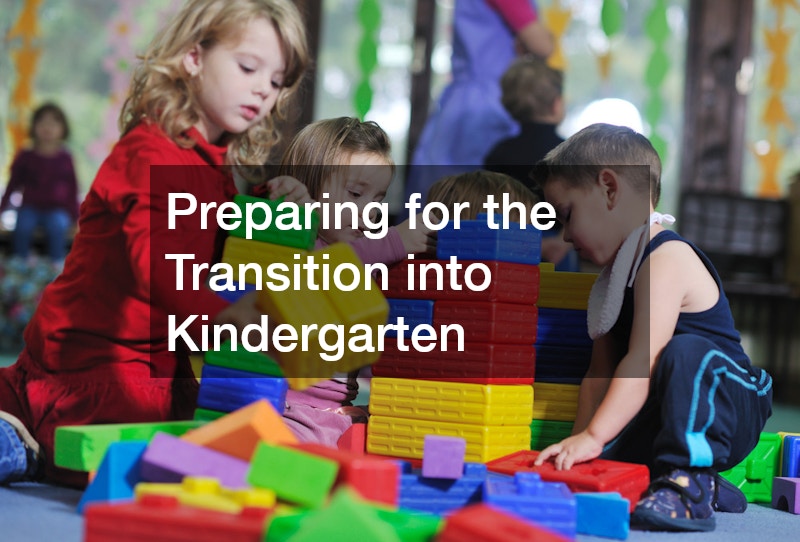
    Kindergarten represents a significant milestone. It marks the beginning of formal education and introduces children to a more structured academic environment.
    Children entering kindergarten are expected to have basic social and academic skills. These include recognizing letters, understanding simple instructions, and interacting appropriately with peers. While not every child develops at the same pace, early preparation can ease this transition.
    Families who enroll their children in a local private preschool often find that smaller class sizes and personalized attention help build confidence before this next step. These programs may offer more individualized support, allowing children to progress at their own pace.
    Parents should also consider emotional readiness. Confidence, independence, and the ability to manage simple tasks are just as important as academic skills.
    It is also helpful to establish routines at home. Regular bedtimes, reading habits, and consistent schedules can reinforce what children experience in the classroom. These small steps create a sense of stability that supports learning. Encouraging children to take on small responsibilities at home can also build independence and prepare them for classroom expectations. Practicing simple tasks like organizing toys or following instructions can make the transition smoother.

    Comparing Daycares, Preschools, and Kindergartens

    Understanding the differences between each option helps parents choose the right fit for their child.
    Daycares typically focus on care and supervision, with some learning elements woven into daily activities. Preschool introduces structured learning while still emphasizing play and exploration. Kindergarten, on the other hand, follows a more formal curriculum aligned with educational standards.
    Each stage builds on the previous one. A toddler preschool environment may focus on basic socialization and early communication skills, while later programs introduce more advanced concepts.
    The key is recognizing that no single option is universally better. The best choice depends on the child’s age, developmental stage, and individual needs.
    Parents should also think about long-term goals. Some families prefer a gradual transition into structured learning, while others seek early academic exposure. Both paths can be effective when matched to the child’s readiness. Taking time to reflect on a child’s temperament can make this decision much clearer. Observing how a child responds to new environments can offer valuable insight.

    The Role of Summer Camps in Early Learning

    The Role of Summer Camps in Early Learning

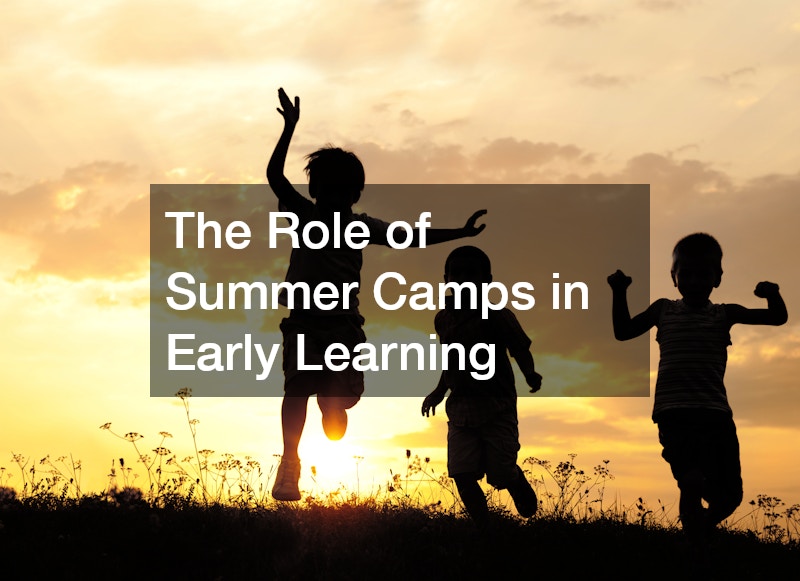
    Many parents overlook the value of summer camps in early childhood education. These programs provide opportunities for continued growth outside the traditional school year.
    Children who attend summer camps often benefit from new experiences, social interaction, and hands-on learning. Activities may include outdoor play, creative projects, and group challenges that build teamwork and confidence.
    These programs can also help reinforce skills learned during the academic year. For children preparing to enter a pre k program or kindergarten, this extra exposure can make a meaningful difference.
    Parents should look for programs that align with their child’s interests. Whether focused on art, nature, or general enrichment, the goal is to create a positive and engaging experience.
    In addition, summer programs can help maintain routine. Long breaks without structure may cause children to lose some of the habits they have developed. Participating in organized activities helps keep them engaged and ready for the next school year. It can also provide a sense of continuity, which is especially helpful for younger children. Consistent engagement can reduce anxiety when returning to structured environments.

    What to Look for in a Quality Learning Center

    Not all programs are created equal. A strong learning center stands out through its commitment to both care and education.
    Parents should begin by evaluating the environment. Clean, organized spaces with age-appropriate materials create a sense of safety and engagement. Classrooms should encourage exploration while maintaining structure.
    Teacher qualifications are equally important. Experienced educators understand how to support different learning styles and developmental stages. They create environments where children feel valued and supported.
    Communication is another key factor. Programs that keep parents informed through regular updates and open dialogue build trust and transparency.
    When exploring childcare services, it is helpful to visit multiple locations. Observing interactions and asking questions provides valuable insight into the program’s overall quality.
    Parents may also want to ask about safety protocols and emergency procedures. Knowing that a program is prepared for unexpected situations can provide peace of mind. Clear policies and well-trained staff can make a significant difference in how safe a parent feels leaving their child in someone else’s care. A welcoming atmosphere can also help children adjust more quickly.

    Choosing the Right Local Private Preschool for Your Family

    Selecting a local private preschool often comes down to finding the right balance between structure, flexibility, and personal attention.
    Private programs may offer smaller class sizes, specialized curricula, and enhanced enrichment opportunities. This can be especially beneficial for children who thrive in more focused environments.
    Parents should consider their child’s personality when making this decision. Some children do well in highly structured settings, while others benefit from more flexible, play-based approaches.
    It is also important to evaluate the program’s philosophy. A good fit aligns with the family’s values and educational goals.
    Visiting the facility, meeting staff, and observing daily routines can help parents feel more confident in their choice.
    Parents should also consider location and scheduling. Convenience plays a role in maintaining consistency, which is essential for young children adjusting to new routines. Asking about parent involvement opportunities can also provide insight into how welcoming and collaborative the environment is. Feeling connected to the program can improve the overall experience.

    Supporting Growth Through Toddler Preschool Programs

    Supporting Growth Through Toddler Preschool Programs

    Early education often begins with a toddler preschool experience. These programs introduce young children to group settings while supporting basic developmental milestones.
    At this stage, the focus is on socialization, communication, and emotional growth. Children learn how to share, follow simple instructions, and express themselves.
    Parents may notice significant changes during this period. Increased independence, improved language skills, and greater curiosity are all common.
    Programs designed for younger children should emphasize safety and nurturing care. At the same time, they should provide opportunities for exploration and discovery.
    This early exposure lays the groundwork for future success in preschool and beyond.
    It is also important for parents to stay involved during this stage. Regular communication with teachers and reinforcing learning at home can strengthen progress and build confidence. Simple activities like reading together or practicing basic routines can make a meaningful impact. Consistency between home and school environments often leads to better outcomes.

    Balancing Academics and Play in Early Childhood Education

    One of the most common concerns parents have is finding the right balance between academics and play. Both are essential components of early learning.
    Play-based activities encourage creativity, problem-solving, and social interaction. Structured learning introduces foundational concepts and prepares children for future academic challenges.
    The best preschools understand the importance of blending these approaches. They create environments where children can explore freely while also developing essential skills.
    Parents should look for programs that avoid extremes. Too much structure can feel overwhelming, while too little may not provide enough preparation.
    A balanced approach supports well-rounded development and keeps children engaged.
    It is also worth noting that play often includes valuable learning moments. Activities such as building, drawing, and role-playing help children develop cognitive and social skills in a natural way. These experiences often leave a lasting impression because they are enjoyable and meaningful. When children enjoy learning, they are more likely to stay engaged over time.

    Making a Confident and Informed Decision

    Choosing between daycares, preschools, and kindergartens is not always straightforward. Each option offers unique benefits, and the right choice depends on the child and family.
    Parents should take time to evaluate their priorities. Factors such as schedule, location, teaching style, and budget all play a role.
    It is also helpful to trust personal observations. Visiting programs, speaking with staff, and watching how children interact can provide valuable insight.
    Ultimately, the goal is to find an environment where the child feels safe, supported, and inspired to learn. With the right foundation, children are better prepared for future success both academically and socially.
    By understanding the differences between each stage and carefully evaluating available options, families can make decisions that support their child’s growth every step of the way.
  • A Childcare Franchise Opportunity Focused on Education and Care

    Why Child Day Care Franchises Thrive With Celebree School

    Choosing the right child day care franchise is about more than entering a growing industry. It is about aligning with a mission, a proven model, and a brand that genuinely values children, families, and educators. Celebree School has earned a reputation as a leader in early childhood education by creating environments where learning, care, and community come together. For entrepreneurs seeking a meaningful business with long-term impact, Celebree School offers a unique path forward.

    At its core, Celebree is built on the belief that early education shapes futures. This philosophy guides every aspect of the franchise model, from curriculum development to family engagement.


    Video Source

    For those exploring A childcare franchise opportunity, Celebree stands out as a brand that puts purpose alongside profitability.

    A Mission Rooted in Early Learning

    Celebree School was founded to meet the growing need for high-quality childcare that also delivers strong educational outcomes. The programs are designed for infants, toddlers, preschoolers, and school-age children, ensuring continuity and consistency during the most important developmental years.

    Rather than focusing solely on supervision, Celebree emphasizes age-appropriate learning experiences that support social, emotional, physical, and cognitive growth. Children are encouraged to explore, ask questions, and build confidence in a structured yet nurturing environment. This educational focus helps families feel confident that their children are not just cared for, but truly supported. For franchise owners, this mission creates trust within the community. Parents are more likely to choose and stay with a school that prioritizes learning and development, which contributes to long-term enrollment stability.

    A Franchise Model Designed for Support

    One of the biggest advantages of partnering with Celebree School is the level of support provided to franchise owners. From the earliest stages of site selection and build-out, the corporate team offers guidance and expertise. New owners are not expected to navigate the complexities of licensing, staffing, and operations alone.

    Training is comprehensive and ongoing. Franchisees receive education on curriculum implementation, staff leadership, family communication, and daily operations. This ensures that every school upholds the same standards of quality and care that define the Celebree brand. For entrepreneurs looking for a childcare franchise opportunity, this structured support system makes it possible to focus on leadership and community building rather than trial and error.

    Building Strong Community Connections

    Celebree School views each location as more than a business. Every school is designed to be a neighborhood hub where families, educators, and children form meaningful relationships. This sense of connection sets Celebree apart from many traditional childcare centers.

    Franchise owners are encouraged to engage with local families, schools, and organizations. Events, open communication, and a welcoming culture help foster trust and loyalty. When parents feel valued and heard, they become long-term partners in their child’s education. This community-focused approach also benefits franchise owners. Schools that are deeply rooted in their neighborhoods often experience stronger enrollment, positive word of mouth, and a reputation that extends beyond the classroom.

    A Growing Demand for Quality Childcare

    The demand for reliable, high-quality childcare continues to rise as more families seek educational environments they can trust. Parents today are looking for programs that align with their values and support their children’s development from an early age.

    Celebree School is well-positioned to meet this demand. Its blend of education and care appeals to families who want more than basic childcare services. For franchise owners, this creates a strong market opportunity backed by a brand that already resonates with parents. Those considering a childcare franchise opportunity focused on education and care often find that Celebree’s reputation and proven systems provide a strong foundation for growth in competitive markets.

    A Balanced Approach to Business and Purpose

    Running a childcare franchise is both a business and a responsibility. Celebree School recognizes this balance and equips owners to succeed in both areas. Operational systems are designed for efficiency, while educational standards ensure consistency and quality across all locations.

    Franchise owners benefit from established processes that support enrollment management, staffing, and compliance. At the same time, they have the opportunity to make a meaningful difference in the lives of children and families. This balance is especially appealing to entrepreneurs who want their work to have purpose. Celebree offers the chance to build a sustainable business while contributing positively to the community.

    Why Celebree School Is the Right Choice

    Celebree School continues to attract franchise owners who are passionate about education and care. The brand’s commitment to children, families, and educators creates a culture that supports long-term success. With a strong mission, comprehensive support, and a community-driven approach, Celebree stands out in the childcare franchise space. For those ready to invest in a childcare franchise opportunity, Celebree School offers a proven path that blends heart, education, and business growth. By choosing Celebree, franchise owners are not just opening a school. They are helping shape future generations while building a business rooted in trust, learning, and connection.

    Explore Celebree School!

  • Discover What’s Next With These Career Opportunities

    In our modern lives, the necessity of skilled repair and maintenance services cannot be overstated. Whether in homes or businesses, efficient systems are pivotal in ensuring day-to-day activities run smoothly and without interruption. Essential services such as electrical, mechanical, and structural repairs form the backbone of functional infrastructure. This article delves into the critical aspects of repair services that keep buildings and systems in optimal condition. From generator repairs to roof repairs, each service plays a significant role in maintaining operational efficiency and safety. As we explore these areas, we will not only see their importance but also understand the skills and expertise required to carry them out. By looking into the specifics of services like generator repairs, water well repair, and more, we will uncover how they contribute to a secure and sustainable environment. These careers offer both stability and the satisfaction of providing essential solutions that directly impact people’s daily lives.

    Restore Essential Power Systems That Keep Homes and Businesses Running

    Restore Essential Power Systems That Keep Homes and Businesses Running

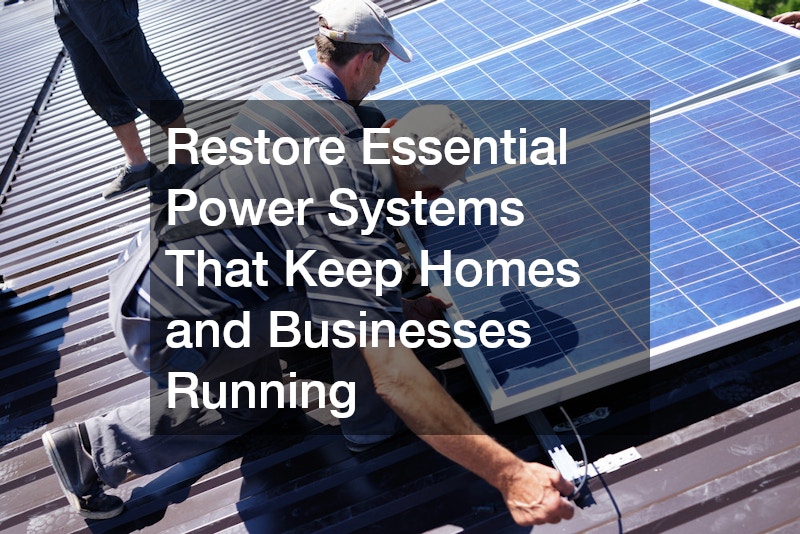
    The significance of generator repairs cannot be underestimated, as power outages can lead to severe disruptions in homes and businesses. When generators malfunction, they can interrupt essential operations and cause financial losses. Skilled technicians ensure that these machines are repaired promptly, restoring the power supply vital for everyday functions. Generator repairs involve complex diagnostics that require an understanding of intricate electrical systems. Technicians must be adept at finding faults and fixing them, ensuring that the generators deliver uninterrupted power. This process not only involves repairing the device but also includes preventive maintenance to avoid future breakdowns. A well-maintained generator can extend its life significantly and improve its efficiency. Regular checkups and timely generator repairs are crucial to minimizing outages and the associated inconvenience. By investing in skilled labor and quality service, both home and business owners can ensure their power systems remain reliable. These professionals often gain valuable technical expertise that can be applied across multiple types of electrical and mechanical systems.

    Maintain Reliable Water Access Through Hands-On Technical Work

    Access to clean water is a fundamental necessity, which makes water well repair an essential service. A malfunctioning water well can cause significant disruptions in water supply, affecting daily life and business operations. Skilled technicians in water well repair work tirelessly to restore this vital resource, ensuring the regular flow of water. The complexities of water wells require specialized knowledge in mechanical and hydraulic systems. Technicians must diagnose a wide range of issues, from pump failures to clogged systems. Through detailed inspections and precision repairs, the integrity of the water system is upheld, preventing long-term damage and costly replacements. Regular water well repair and maintenance safeguard the investment made in these systems. By conducting routine checks and addressing minor issues early, owners can prevent major breakdowns and ensure a continuous supply of clean water. These efforts not only provide peace of mind but also contribute to sustainable water resource management. In addition, technicians develop problem-solving skills that make them indispensable in emergency water restoration situations.

    Strengthen Outdoor Structures That Protect Landscapes and Properties

    Retaining wall repair is crucial in maintaining the structural integrity of landscapes and properties. These walls not only enhance aesthetic appeal but also prevent soil erosion and manage water flow. Over time, environmental factors can compromise their stability, necessitating skilled repair work to reinforce these structures. The process of retaining wall repair involves assessing the damage, constructing a plan, and implementing solutions to restore the functionality. Skilled technicians use specialized tools and techniques to address issues such as bowing walls, cracking mortar, and water drainage problems. This attention to detail ensures the longevity and effectiveness of the retaining walls. Consistent inspection and maintenance of retaining walls can prevent costly damage and replacements. By addressing the signs of wear early through professional retaining wall repair services, property owners can protect their investment and the surrounding environment. This proactive approach ultimately helps in maintaining the overall health and safety of the landscape. Professionals in this field gain expertise that combines construction knowledge with environmental awareness, offering a unique and rewarding career path.

    Ensure Consistent Water Pressure With Precision Mechanical Skills

    Ensure Consistent Water Pressure With Precision Mechanical Skills

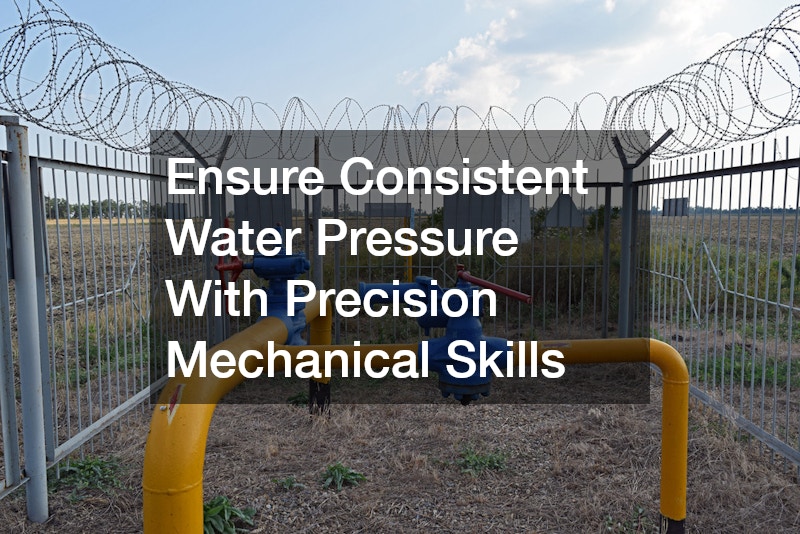
    Well pump repairs are indispensable in maintaining steady water pressure, essential for daily life. A faulty pump can lead to irregular water flow, affecting both comfort and functionality. Skilled specialists cater to well pump repairs with expertise and precision, ensuring the efficient operation of these critical components. The intricacies of a well pump system demand advanced mechanical knowledge and experienced troubleshooting. Technicians in well pump repairs harness diagnostic tools to locate and fix failures swiftly, preventing prolonged disruptions in the water supply. This swift response is fundamental in maintaining the routine operations of households and businesses alike. Preventive maintenance of well pumps is key to averting major failures and costly repairs. Regular inspection and well pump repairs ensure the system operates at peak efficiency, extending its lifespan. This investment in regular service protects against unexpected breakdowns and ensures a consistent provision of water. Moreover, this work equips technicians with highly transferable skills applicable to a variety of mechanical and hydraulic systems.

    Preserve Meaningful Landmarks Through Specialized Craftsmanship

    Headstone repair is a delicate craft essential in preserving historical and sentimental landmarks. These monuments withstand the test of time, but exposure to the elements can cause deterioration. Skilled artisans in headstone repair utilize specialized methods to restore these markers, honoring the memories they represent. The process of headstone repair involves assessing the damage, selecting appropriate materials, and employing techniques that respect the monument’s original design. Artisans are meticulous in their work, often using historical conservation methods to ensure authenticity. This careful approach safeguards the cultural heritage these headstones encapsulate. Routine maintenance and timely headstone repair are crucial to preserving these monuments for future generations. By confronting environmental wear and decay early, skilled professionals help maintain the dignity and integrity of these important markers. This effort is vital in keeping history alive and accessible for educational and commemorative purposes. In addition to historical preservation, this career allows professionals to cultivate fine craftsmanship and artistic skill that is highly valued in restoration industries.

    Improve Home Safety and Efficiency by Fixing Venting and Exhaust Systems

    Chimney repair is a critical component in maintaining safe and efficient home heating systems. Over time, chimneys can suffer from wear and tear that may lead to blockages and inefficiencies. Skilled technicians conduct chimney repairs to prevent hazards and optimize heating performance, ensuring safe operation during the colder months. Chimney repair involves inspecting for cracks, blockages, and structural wear, then implementing necessary fixes to restore function. Professionals use a combination of traditional masonry techniques and modern technology for precise repairs. This comprehensive approach not only addresses current issues but also strengthens the chimney against future problems. Regular chimney maintenance and repair are preventative measures that ensure the longevity and safety of the heating system. By investing in timely chimney repair, homeowners can avert potential hazards such as chimney fires, carbon monoxide intrusion, and inefficient heating. This commitment to maintenance enhances safety and comfort in the home environment. Additionally, chimney repair specialists develop a versatile skill set that can be applied to various aspects of home construction and restoration.

    Keep Indoor Environments Comfortable With Climate Control Expertise

    Keep Indoor Environments Comfortable With Climate Control Expertise

    AC repair is vital in maintaining comfortable indoor climates, critical to personal well-being, and productive environments. When cooling systems fail, they disrupt comfort and contribute to increased energy consumption. Expert technicians in AC repair focus on swift and effective solutions to restore climate control and improve energy efficiency. Diagnosing AC issues requires a comprehensive understanding of mechanical systems, allowing technicians to perform AC repair accurately. These experts use state-of-the-art tools to identify problems and implement repairs, reducing downtime and restoring comfort quickly. Their expertise ensures air conditioning units perform at optimal efficiency, minimizing energy costs. Preventive AC repair and maintenance play a crucial role in extending the lifespan of cooling systems. By scheduling regular service checks, homeowners and businesses can preemptively address potential issues, ensuring continued reliability. Investing in routine AC repair enhances performance, reduces the need for costly major repairs, and promotes sustainable energy use. Careers in AC repair also provide opportunities for specialization in energy-efficient systems and smart home technologies, making the work increasingly relevant and future-proof.

    Troubleshoot and Rebuild Mechanical Systems Across Industries

    Mechanical systems, central to a myriad of industries, require regular engine repair service to maintain functionality and efficiency. Engines, being integral to machinery and vehicles, demand skilled attention when issues arise to minimize downtime and financial losses. Proficient engine repair services ensure the smooth operation of mechanical systems across sectors. Engine repair service involves precise diagnostics, part replacements, and routine inspections, ensuring machines perform optimally. Technicians utilize specialized tools and diagnostics to address a wide range of issues efficiently, allowing for quick and reliable repairs. Their expertise in engine repair service is crucial in preventing prolonged operational disruptions. Regular engine repair service and maintenance are vital in preserving the longevity of machinery, enhancing performance, and reducing costs. Proactive service schedules allow for early detection of potential issues, preventing major breakdowns. This ongoing care supports continual industrial and commercial operations, reinforcing productivity and economic stability. Technicians in this field gain analytical and technical skills that open doors to advanced mechanical careers in transportation, manufacturing, and industrial maintenance.

    Solve Everyday Infrastructure Issues With Skilled Trade Knowledge

    Plumbing repair services address critical needs in maintaining functional infrastructures within homes and businesses. Issues such as leaks, clogs, or failures can severely disrupt daily routines and operations. Talented professionals specializing in plumbing repair are essential in ensuring these systems work efficiently and without interruption. Plumbing repair involves comprehensive assessments, accurate diagnostics, and the precise implementation of solutions to fix malfunctions. Technicians in this field must possess a keen understanding of plumbing systems to identify and rectify issues quickly and effectively. Through diligent service, they ensure the smooth and efficient functioning of vital infrastructure. Routine plumbing repair and maintenance are pivotal in preventing extensive damage and costly emergency repairs. By regularly servicing plumbing systems, one can detect minor issues before they escalate, preserving the integrity of the system. This commitment to plumbing repair ultimately leads to prolonged system life and uninterrupted water supply. Careers in plumbing repair offer steady demand, hands-on problem-solving, and the satisfaction of directly improving living and working conditions.

    Protect Buildings From the Elements Through Structural Restoration Work

    Protect Buildings From the Elements Through Structural Restoration Work

    Roof repair is critical in safeguarding buildings from environmental wear and the elements. A compromised roof can lead to water damage, structural integrity issues, and energy inefficiency. Skilled professionals in roof repair undertake the essential task of maintaining and restoring roofs to uphold safety and functionality. Roof repair involves comprehensive inspections, identification of wear and damage, and the application of solutions tailored to the roof’s specific materials and design. Technicians utilize both traditional techniques and modern advancements to ensure roofs remain durable and effective. Their expertise is crucial in mitigating future problems and enhancing the building’s protective barrier. Consistent roof repair and maintenance ensure long-term protection against weather-related wear and extend the lifespan of the roof. Through early detection and intervention, professionals prevent extensive damage and costly repairs, maintaining energy efficiency and building safety. Regular investment in quality roof repair sustains these benefits, assuring the shelter remains effective. Roofing professionals also acquire valuable knowledge in construction, materials science, and safety protocols, making them versatile experts in property preservation.

    The diverse world of repair and maintenance services plays an indispensable role in ensuring the functionality and safety of essential systems within homes and businesses. From generator repairs that maintain vital power supplies to roof repairs that protect structures from environmental damage, each service is integral in preserving and enhancing everyday life. The skilled technicians who provide these services blend expertise, precision, and dedication to deliver solutions that address both immediate and long-term needs. By engaging in regular maintenance and timely repairs, individuals and businesses can significantly extend the lifespan of their systems, prevent costly breakdowns, and ensure efficient operations. These efforts not only bolster the structural integrity of properties but also foster a secure and sustainable environment. Throughout this article, we’ve explored how essential services such as water well repair, engine repair service, and plumbing repair contribute to these goals. Their sustained importance underscores the need for continued investment in skilled labor and quality service. In addition to technical expertise, these careers cultivate critical thinking, problem-solving, and hands-on skills that are increasingly valued in today’s economy. In conclusion, embracing proactive repair and maintenance strategies is fundamental in maintaining reliable infrastructure and preserving property value. By committing to regular inspections, preventive measures, and timely interventions, homeowners and businesses can enjoy peace of mind and sustained operational excellence. Through the integration of skilled craftsmanship and innovative techniques, these services continue to uphold the core of efficient and secure living environments.

  • What Are the Benefits of Preschool?

    Preschool plays an important role in early childhood development, offering benefits that extend far beyond the classroom. For many children, preschool is their first structured learning experience outside the home, and the environment is designed to introduce them to skills that help them thrive academically, socially, and emotionally. Families often notice that children who attend preschool enter kindergarten more confident, curious, and ready to learn. Understanding the full range of advantages can help parents make an informed decision about this foundational stage in their child’s education.

    One of the most widely recognized benefits of preschool is early cognitive development. Young children are naturally eager learners, and preschool provides opportunities to explore ideas through play, hands-on activities, and guided instruction. They are introduced to early literacy and numeracy skills in ways that feel fun and engaging rather than formal or pressured. Activities such as story time, building blocks, puzzles, and creative arts help children strengthen memory, problem-solving abilities, and language development. These experiences lay the groundwork for future academic success and often make the transition to elementary school more seamless.

    Social and emotional growth is another key advantage of preschool education. When children interact with peers in a structured setting, they begin to learn essential interpersonal skills. They practice sharing, taking turns, cooperating during group activities, and resolving disagreements with guidance from their teachers. These interactions help them develop empathy and understand how to manage their emotions in different situations. Children who have the chance to work through these experiences in preschool often feel more comfortable and prepared for the social expectations of kindergarten and beyond.

    Preschool also encourages independence and self-confidence. As children learn to follow routines, manage simple responsibilities, and make choices throughout the day, they begin to trust their own abilities. Something as simple as hanging up a backpack, choosing a center activity, or cleaning up after playtime teaches responsibility and autonomy. These experiences show children that they are capable individuals, which can have a long-lasting effect on how they approach new challenges. The supportive environment created by caring teachers helps reinforce this confidence, making preschool a positive stepping stone toward greater independence.

    Another benefit is exposure to diversity. Preschools bring together children from different backgrounds, experiences, and cultures. This variety helps children learn about the world beyond their own families and develop respect for others. Through classroom discussions, multicultural celebrations, and inclusive activities, preschoolers begin to understand and appreciate differences. This early awareness helps promote kindness, cultural understanding, and open-mindedness—qualities that contribute to positive relationships throughout life.

    A high-quality preschool program also strengthens language and communication skills. Young children are in a rapid period of language growth, and being surrounded by peers and teachers encourages them to express their thoughts, ask questions, and listen actively. Daily activities such as singing songs, participating in circle time, or engaging in pretend play all contribute to vocabulary expansion and clearer communication. Children also learn to follow instructions, make simple presentations, and engage in conversations, which are essential skills for academic success.

    In addition to academic and social development, preschool supports physical growth. Children participate in activities that develop both fine and gross motor skills, such as drawing, cutting with scissors, climbing playground structures, or playing group games. These activities help them build coordination, strength, and body awareness. Physical development is closely tied to cognitive growth, and preschool teachers intentionally design activities that stimulate both mind and body. This holistic approach supports well-rounded development and encourages a love for active play.

    Preschool also introduces children to structured routines, which are important for building discipline, consistency, and emotional security. A predictable daily schedule helps children understand expectations and reduces anxiety. They learn to transition from one activity to another, follow classroom rules, and work within a structured environment. These experiences prepare them for the routines they will encounter in kindergarten and elementary school, making the adjustment easier for both children and families.

    Another important benefit is the development of creativity and imagination. Preschools offer numerous opportunities for children to express themselves through art, music, storytelling, dramatic play, and hands-on exploration. These creative experiences not only nurture imagination but also support problem-solving, innovation, and critical thinking skills. When children are encouraged to explore ideas freely and experiment with materials, they learn to think creatively and become more confident in their ability to generate new ideas.

    Preschool can also provide valuable support for parents. Knowing that their children are in a safe, nurturing, and educational environment allows parents to focus on work or other responsibilities with peace of mind. Additionally, many preschools offer communication tools such as progress reports, parent-teacher meetings, and developmental assessments. These resources help parents understand their child’s strengths, challenges, and growth areas. Parents and teachers can work together to support each child’s development, creating a strong foundation for future learning.

    Overall, preschool offers a wide range of benefits that help children grow academically, socially, emotionally, and physically. It sets the stage for a lifetime of learning by fostering curiosity, building foundational skills, and nurturing healthy relationships. Whether a child is naturally outgoing or more reserved, preschool creates an environment where they can explore, connect, and build confidence in their abilities. For many families, preschool is a meaningful investment in their child’s future, providing experiences that enrich early development and prepare them for the exciting journey ahead in school and life.

  • Building Valuable Careers Through Life Skills

    In today’s dynamic world, professional opportunities are as varied and vibrant as ever, catering to an array of interests and skills. Whether you’re drawn to creative pursuits, passionate about culinary arts, or eager to cultivate skills that foster personal growth and societal impact, there are countless paths to explore. One can turn unique passions into professions, transforming hobbies into lucrative careers. The evolving job market allows individuals to carve their niches and build fulfilling and sustainable futures. Yet, embarking on these professional journeys requires courage, creativity, and dedication to turn everyday skills into expert talents. This article delves into diverse career opportunities, from hands-on craftsmanship like embroidery services to service roles that foster care and communication, like childcare services. Each path is a testament to the notion that professional success can be achieved in remarkably varied ways, and often, the journey itself fosters personal growth and satisfaction. So, if you’ve ever pondered how to blend passion with profession or turn simple skills into specialized expertise, this exploration offers insights into myriad pathways that may just ignite your career aspirations.

    Develop Creative Passions Into Professional Opportunities

    Develop Creative Passions Into Professional Opportunities

    The beauty industry continues to thrive, offering opportunities for artistic expression and professional growth. Attending beauty school can pave the way for a range of careers, from hairdressing to makeup artistry. Within this realm, creative individuals find an outlet for their passion while also providing services that enhance confidence in their clients.

    Beauty school instills not only technical skills but also a profound understanding of aesthetic principles. By learning how to accentuate features and create stunning visual transformations, students develop a unique blend of creativity and precision. This combination is crucial as they enter a competitive field that values both innovation and attention to detail.

    Moreover, the community fostered in beauty school cultivates professional connections and peer learning. Students share techniques and insights, creating a collaborative environment that enriches their educational experience. These interactions become invaluable as graduates step into the professional world, where networking plays a significant role in growing a successful career.

    Turn Everyday Essentials Into Culinary Expertise

    Equipping yourself with the right cooking equipment can transform everyday meal preparation into culinary artistry. For those who find joy in cooking, the right tools unlock a world of possibilities, from crafting intricate dishes to perfecting simple comfort foods. Recognizing that culinary arts require both skill and passion, the first step is obtaining quality cooking equipment.

    Cooking equipment can make or break your experience in the kitchen. From knives to pans, each piece serves a specific purpose, enabling chefs to execute their vision with precision. Investing in durable, versatile tools not only elevates your culinary skills but also enriches the cooking process itself, turning it into a true art form.

    As culinary enthusiasts progress, they often seek to share their creations with others, turning a personal passion into a professional venture. Whether it’s starting a catering business or hosting cooking classes, the skills honed through practice and the right cooking equipment open doors to numerous opportunities in the culinary world.

    Learn the Value of Cleanliness and Presentation in Any Career

    Cleanliness and presentation are vital components of professionalism in any field. While often understated, the services provided by a carpet steam cleaning company highlight the importance of maintaining a pristine environment. Beyond aesthetics, cleanliness creates an impression of competence and care, essential qualities in various career paths.

    Carpet steam cleaning is a prime example of a service that underscores the significance of detail-oriented work. Professionals in this field understand that pristine cleanliness can transform a space, from homes to offices, influencing how those spaces are perceived. For clients, this results in increased satisfaction and the potential for repeat business.

    Moreover, the principles applied in carpet steam cleaning can be transferred to other industries. Workers learn to appreciate the impact of a clean and well-presented environment, which enhances reputation and effectiveness. Whether organizing an office space or hosting events, detailed attention to presentation can elevate the perceived quality of one’s work.

    Cultivate Responsibility and Growth Through Outdoor Work

    Cultivate Responsibility and Growth Through Outdoor Work

    Outdoor work offers a unique blend of responsibility and growth opportunities, as exemplified by the operations of a lawn care company. Engaging with nature while managing the task of maintaining landscapes teaches both discipline and a deep respect for the environment. Lawn care is more than just a job; it is an opportunity to develop valuable life skills.

    Employees at a lawn care company must learn to manage their time effectively, work with precision, and maintain high standards of quality. These qualities are essential in ensuring customer satisfaction and environmental responsibility. As these workers grow in their roles, they experience firsthand how diligence and attention to detail result in proud, verdant landscapes.

    Moreover, the impact of their work extends beyond aesthetic improvement. Proper lawn care contributes to ecological balance and community beautification, adding a layer of significance to their efforts. Thus, careers in outdoor work not only foster professional growth but also support all-around personal development.

    Harness Confidence and Communication to Stand Out Professionally

    Confidence and communication are pivotal in distinguishing oneself professionally, and talent agencies offer an environment where these skills are sharpened. Talent agents rely on their ability to convey the unique qualities and strengths of their clients to promoters, producers, and casting directors. Their success is intrinsically linked to their adeptness in communication.

    Working within a talent agency involves understanding the intricacies of the entertainment industry. Agents become skilled negotiators, advocates, and strategists, often working under pressure to secure opportunities for their clients. This dynamic environment is demanding, yet it hones abilities that are transferable and highly valuable across various professions.

    Ultimately, talent agencies underline the importance of networking, relationship building, and persuasiveness. These skills not only advance one’s career but also foster a strong professional persona. The ability to communicate effectively and with confidence often opens doors to opportunities that were previously unimaginable.

    Express Precision and Patience Through Hands-On Craftsmanship

    Hands-on craftsmanship, such as that found in embroidery services, requires exceptional precision and patience. This form of artistry demands attention to detail and a passion for creating intricate, beautiful designs. Professionals in this field turn simple textiles into unique, personalized works of art that resonate with clients.

    Embroidery services allow artisans to blend creativity with expertise, often turning a passion into a profitable business. The craftsmanship involved is meticulous; every stitch matters and contributes to the outcome. It is a profession that rewards patience and a keen eye for detail, as each project requires dedication and skill.

    Furthermore, the demand for customized, embroidered products is growing, offering abundant opportunities for those in the trade. Whether creating embroidered logos for businesses or personalized gifts, skilled embroiderers are able to provide valuable, marketable services. This pathway highlights how specialized skills can lead to a fulfilling and prosperous career.

    Use Visual Design to Make a Lasting Impression

    Use Visual Design to Make a Lasting Impression

    Visual design is a powerful tool for making a lasting impression, and professionals using floor graphics understand its impact. Floor graphics are an innovative way to enhance spaces, communicate messages, and engage people in unexpected ways. Combining design skills with practical implementation, this field is an exciting intersection of art and function.

    Professionals working with floor graphics need to possess deep knowledge of design principles as well as materials and installation techniques. Creating striking visuals that align with branding efforts or enhance aesthetic appeal requires creativity, technical skill, and a lot of practice. The effectiveness of these graphics lies in both their allure and strategic placement.

    The growth of this niche market highlights an increasing appreciation for creative expression in even the most utilitarian spaces. Floor graphics involve more than just artistic talent; they require understanding client needs and environments, making them a relevant and dynamic career path. The ability to innovate visually is highly sought after in many modern industries.

    Build Patience and Leadership Through Training and Mentorship

    Patience and leadership are key attributes for professionals working as dog trainers, who are tasked with training animals and mentoring their owners. Dog trainers require a deep understanding of animal behavior and a calm, authoritative demeanor to guide both pets and their human companions through various training processes.

    Working with dogs involves developing personalized training plans that meet individual needs. Dog trainers employ a range of techniques and practices, learning to adjust their methods according to each animal’s response. The challenges in this career test patience, while also providing opportunities to exhibit leadership and communication excellence.

    The mentorship aspect of dog training is equally important, as trainers educate pet owners on how to continue fostering good behavior at home. Here, effective communication is critical, as trainers must ensure owners comprehend and carry out instructions. This role is rewarding, with trainers playing a significant part in enhancing the bond between pets and their owners.

    Foster Care, Compassion, and Organization in Service Roles

    Childcare services are fundamental in fostering care, compassion, and organizational skills. Professionals in this field are entrusted with the responsibility of nurturing children’s growth in safe, structured environments. Through daily interactions, childcare workers facilitate developmental milestones and contribute to the well-being of the children under their care.

    The demands of childcare services necessitate emotional intelligence, patience, and the ability to create engaging and educational activities. Such professionals must navigate the varied needs of children, tailoring their approach to support each child’s learning style and personality. This aspect of childcare not only supports individual growth but also enriches the collective classroom experience.

    Organizational skills are equally crucial in managing multiple tasks efficiently, from coordination of schedules to adherence to regulatory standards. In this way, childcare services foster not only child development but also professional development, as workers progress from early educator roles to advanced positions within the field.

    Strengthen Focus, Discipline, and Lifelong Learning Habits

    Strengthen Focus, Discipline, and Lifelong Learning Habits

    Test tutors play an instrumental role in strengthening focus, discipline, and fostering lifelong learning habits among students. By preparing students for various standardized tests, they emphasize the importance of dedication and persistence in achieving educational goals. Test tutors are not just instructors; they are mentors who inspire confidence and self-motivation. Through consistent guidance and encouragement, they help students recognize their potential and build resilience in the face of academic challenges.

    Working as a test tutor requires thorough knowledge of testing material and strategies. Professional tutors must be adept at evaluating student abilities and tailoring their instruction accordingly. This personalized approach ensures that each student receives the guidance needed to optimize their performance on exams, laying the groundwork for academic success. In doing so, tutors create a supportive environment that empowers students to take ownership of their learning journey.

    Moreover, test tutors instill skills that transcend academics, teaching students to manage their time effectively and adopt productive study habits. By emphasizing these lifelong learning techniques, tutors equip students with tools essential for success in higher education and beyond, making their impact on students’ futures distinctly profound. Their mentorship not only enhances test performance but also shapes confident, independent learners prepared to excel in any pursuit.

    In exploring these varied career paths, it becomes clear that professional success is intimately linked with personal growth and the pursuit of true passion. Each field discussed offers its own set of challenges and rewards, from the innovative realm of visual design with floor graphics to the hands-on expertise required in embroidery services, highlighting the diversity of opportunities available in today’s market. The transformation of everyday skills into professional expertise relies on dedication, continuous learning, and the ability to pivot one’s interests into marketable services. Moreover, these careers illustrate how professional endeavors can contribute not only to individual satisfaction but to societal enrichment, as exemplified by child care services and dog trainers. Whether we look toward creative or technical fields, the common thread lies in developing skills that enhance confidence, communication, and craftsmanship. For those inspired to develop their potential and explore diverse career options, the pathways discussed provide meaningful routes to success, emphasizing that the choice of career is as much about passion as it is about purpose. Ultimately, no matter the path, the pursuit of professional opportunities rooted in personal interest fosters a fulfilling and affirming journey, one that continually evolves alongside the changing landscapes of industry and innovation.

  • Winter-Ready Homes HVAC Services in Fairview Park, OH, You Can Trust

    As winter approaches, keeping your home warm and comfortable becomes a top priority. If you’re looking for reliable HVAC services in Fairview Park, OH, Westland HVAC + Plumbing is your trusted partner. From routine maintenance to emergency repairs, our team ensures your heating system is ready to handle the coldest months. Read on to discover how proper HVAC care can protect your home and your family this winter.

    What Are the Benefits of Regular HVAC Maintenance?

    Proper HVAC maintenance is more than just a routine check—it’s an investment in comfort, efficiency, and long-term savings. Regular service from a trusted provider like Westland HVAC + Plumbing can help homeowners in Fairview Park, OH, enjoy several advantages:

    Improved Energy Efficiency

    When HVAC systems are clean, lubricated, and properly adjusted, they operate more efficiently. Regular maintenance prevents your system from overworking, which reduces energy consumption and helps lower utility bills.


    Video Source

    For homeowners facing Ohio’s harsh winters, efficiency is key to maintaining warmth without excessive energy costs.

    Cost Savings and Fewer Repairs

    Neglecting your HVAC system can lead to unexpected breakdowns and costly emergency repairs. Routine inspections allow technicians to identify small problems before they escalate into major issues. Over time, this proactive approach saves money and ensures that your home remains comfortable throughout the season.

    Extended System Life

    A well-maintained HVAC system lasts longer. From replacing worn filters to checking refrigerant levels, regular care minimizes strain on your system. With consistent attention from Westland HVAC + Plumbing, you can extend the lifespan of your heating and cooling equipment, avoiding the expense of premature replacements.

    How to Choose a Reliable HVAC Service Provider in Fairview Park

    Finding the right HVAC service provider is crucial for ensuring your home stays winter-ready. Here are key factors to consider when selecting a professional:

    Certifications and Training

    Look for a company whose technicians are licensed, certified, and trained in the latest HVAC technologies. Proper credentials demonstrate expertise and a commitment to safety. At Westland HVAC + Plumbing, our team meets and exceeds industry standards, giving homeowners confidence that their systems are in capable hands.

    Customer Reviews and Reputation

    Online reviews, testimonials, and word-of-mouth recommendations provide valuable insights into a company’s reliability and quality of service. A reputable local provider will have a strong track record of satisfied customers. Residents of Fairview Park consistently rely on Westland HVAC + Plumbing for dependable service and professional support.

    Local Knowledge and Responsiveness

    Choosing a local provider ensures quicker response times, particularly during winter emergencies. Local HVAC companies understand the unique climate challenges in Fairview Park, OH, and can provide tailored solutions. Our team at Westland HVAC + Plumbing combines local expertise with prompt, reliable service to keep your home safe and warm.

    What Are the Signs That Your HVAC System Needs Repairs?

    Even with regular maintenance, it’s important to recognize warning signs that your HVAC system may need professional attention. Some common indicators include:

    Unusual Noises

    Rattling, squealing, or banging sounds often signal mechanical problems. Ignoring these noises can lead to more significant damage and costly repairs. Prompt inspection by Westland HVAC + Plumbing can identify the root cause and restore your system efficiently.

    Inconsistent Temperatures

    If certain rooms are warmer or colder than others, or if your system struggles to reach the thermostat setting, your HVAC may need repairs. Imbalances like these can indicate duct issues, refrigerant problems, or failing components.

    Increased Energy Bills

    A sudden spike in energy costs may point to an inefficient or failing system. Reduced efficiency forces your HVAC to work harder to maintain comfort, consuming more energy in the process. Routine maintenance and timely repairs from Westland HVAC + Plumbing help prevent these hidden costs.

    Conclusion

    Preparing your home for winter starts with trusting a reliable HVAC provider. Regular maintenance improves efficiency, reduces costs, and extends the life of your system. Selecting a qualified company like Westland HVAC + Plumbing ensures your heating and cooling systems are serviced by trained professionals who prioritize quality and safety. Recognizing early warning signs allows homeowners to address problems before they escalate, keeping homes warm and worry-free throughout the cold months.

    Don’t wait until the first cold snap—schedule your HVAC service with Westland HVAC + Plumbing, the trusted provider of HVAC services in Fairview Park, OH, and make your home winter-ready today.

    What Are the Benefits of Regular HVAC Maintenance?

  • Innovative Fundraising Ideas for Schools to Try

    Raising money for school programs, extracurricular activities, and classroom resources is an ongoing challenge for educators and administrators. With traditional events often becoming stale or oversaturated, it’s important to consider fresh and engaging fundraising ideas for schools that excite students, parents, and the larger community. Whether you’re organizing a small initiative or a large-scale campaign, the right approach can make all the difference. The ideas below are designed to spark creativity and inspire action among teachers and staff looking for new ways to meet their financial goals.


    Video Source

    Use Technology to Your Advantage

    Technology has opened up a world of opportunities for creative school fundraising. Virtual platforms make it easier to organize events, collect donations, and spread the word. Teachers and administrators can implement digital fundraising ideas for schools, such as online donation drives, virtual auctions, and crowdfunding campaigns. These options allow for participation beyond the local area.

    One particularly effective approach is a themed virtual challenge, such as a read-a-thon, dance-a-thon, or fitness challenge, where students participate over a week or month and gather pledges online. These tech-driven fundraising ideas for schools not only encourage student involvement but also make it easier for families to share donation links through email and social media. This reduces logistical barriers and streamlines the giving process, resulting in broader reach and greater participation.

    Beyond events, using mobile apps for donations or incorporating QR codes into school materials can modernize the way schools receive support. These strategies reflect the everyday habits of today’s families and provide a frictionless way to give. When schools take advantage of digital tools, they tap into some of the most efficient fundraising ideas for schools available, all while meeting people where they are.

    Get Creative with Student-Led Events

    Student involvement is key to any successful school initiative, and it can be a powerful tool in fundraising. Student-led events not only give young people a sense of ownership but also bring fresh energy and ideas to the table. One standout example of creative fundraising ideas for schools is hosting a student entrepreneur fair where kids design, create, and sell their crafts, baked goods, or art. Events like these encourage teamwork, business skills, and creativity.

    Another option is organizing a talent show, fashion show, or theater performance with a small admission fee. When students are the stars of the event, families and friends are more inclined to attend and support the cause. These fundraising ideas offer an engaging way to raise money while simultaneously showcasing student abilities and building school pride.

    To take it a step further, schools can organize “principal challenges,” where students raise money to see their principal perform a fun stunt, like getting pied in the face or dyeing their hair. These entertaining events can be incredibly motivating for students while drawing in large audiences. The most effective fundraising ideas for schools are those that bring laughter, creativity, and community spirit to the forefront, and student-driven efforts are often the most memorable and impactful.

    Partner with Local Businesses and Community Groups

    Community partnerships are often overlooked, but they can be a goldmine of support for school fundraising. Local businesses are typically eager to give back and support youth initiatives, especially if they can gain exposure in return. Some of the most valuable fundraising ideas for schools involve sponsorships, event co-hosting, or donation matching from nearby shops and service providers.

    Schools can invite local restaurants to participate in “dine and donate” nights, where a percentage of proceeds goes back to the school. Similarly, partnering with gyms, salons, or retail stores for special school days can bring in revenue while promoting local commerce. These collaborative fundraising ideas strengthen community bonds and reduce the pressure on families to contribute directly every time.

    Volunteers from local businesses can also help organize or staff events, such as carnivals, field days, or silent auctions. In return, schools can offer advertising opportunities in newsletters, event flyers, or school websites. These mutually beneficial relationships enhance the success of fundraising ideas for schools while building long-term connections between schools and their surrounding communities.

    Successful fundraising isn’t just about asking for money. It’s about creating opportunities for people to get involved, have fun, and support a shared mission. Whether you’re using technology to connect with a broader audience, empowering students to take the lead, or building partnerships within the community, there are countless fundraising ideas for schools that go beyond the ordinary. By thinking creatively and embracing new strategies, teachers and staff can reach their goals while fostering a stronger, more connected school environment.

    Community partnerships are often overlooked, but they can be a goldmine of support for school fundraising.