Choosing the right early education path is one of the most meaningful decisions a parent can make. The early years shape how children learn, interact, and grow. With so many options available, it is common to feel unsure about where to begin. Understanding the differences between daycares, preschools, and kindergartens can help families make confident, informed choices that support long-term success.
This guide explores each option in depth, helping parents evaluate what best fits their child’s needs, personality, and developmental stage. Every child develops at a different pace, so taking time to understand these options can reduce stress and lead to a more positive experience for both parent and child.
Understanding the Role of Daycares in Early Development
For many families, daycares serve as the first structured environment outside the home. These programs often support working parents by offering flexible hours and consistent supervision. However, they provide much more than convenience.
High-quality daycares focus on creating safe, nurturing environments where young children can explore, socialize, and begin developing foundational skills. Activities often include free play, storytelling, music, and basic routines that introduce structure. These early experiences help children build emotional security and confidence.
When evaluating childcare services, parents should look beyond availability and cost. Staff qualifications, caregiver-to-child ratios, and daily routines all play an important role. A well-run program balances care with early learning opportunities, ensuring children are not only supervised but also engaged.
Parents may notice that some environments lean more toward structured learning, while others emphasize play-based development. Neither approach is inherently better. The right choice depends on the child’s personality and family priorities.
It is also helpful to ask how programs handle transitions throughout the day. Smooth transitions between activities can reduce stress for young children and create a more predictable environment. Consistency helps children feel secure, especially when they are adjusting to being away from home for the first time. Parents may also want to ask about nap schedules and meal routines, as these can significantly affect a child’s comfort level during the day. A calm and organized setting often leads to better behavior and more positive interactions among children.
What Sets Preschool Apart from Other Early Education Options
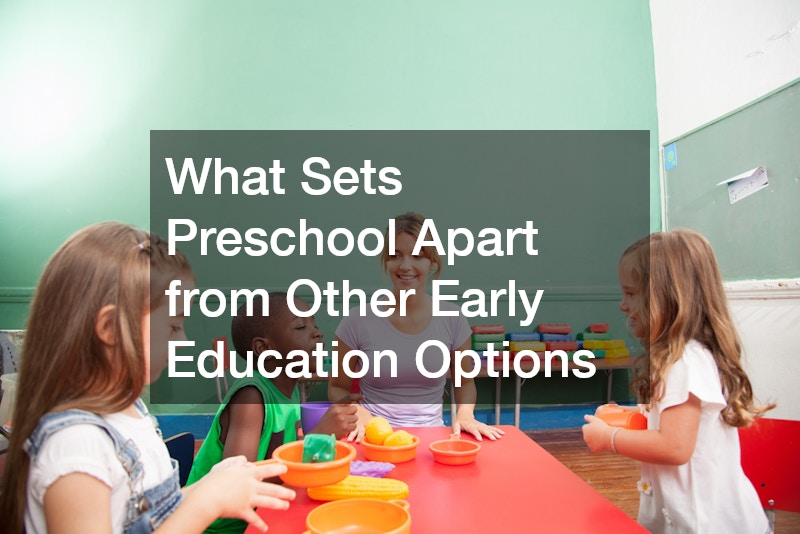
While daycares often focus on supervision and general development, preschool introduces more structured learning experiences. This stage is designed to prepare children for formal education by building early academic and social skills.
A strong preschool program includes activities that promote language development, problem-solving, and cooperation. Children begin to follow instructions, participate in group activities, and develop independence. These experiences create a smoother transition into formal schooling later on.
Parents searching for the best preschools should pay attention to curriculum design. A well-balanced program blends play with guided learning. It encourages curiosity while introducing foundational concepts such as numbers, letters, and shapes.
It is also important to observe how teachers interact with students. Supportive, engaged educators help children feel comfortable taking risks and asking questions. This environment fosters both confidence and a love of learning.
Another important factor is how programs assess progress. Rather than formal testing, many programs use observation and developmental checklists. This approach allows teachers to tailor activities to each child’s needs without adding pressure. Parents can often request updates or progress reports to stay informed and involved in their child’s development. Regular communication helps build trust and keeps everyone aligned on the child’s progress.
The Importance of a Structured Pre-K Program
As children grow, their educational needs become more focused. A pre k program typically serves as the bridge between early childhood education and elementary school.
At this stage, children begin to develop stronger attention spans and greater independence. Programs are often more structured, with dedicated time for literacy, math readiness, and social development. Teachers guide students through activities that build critical thinking and early problem-solving skills.
A quality learning center offering this level of education will also focus on routine and consistency. Children learn how to follow schedules, complete tasks, and work both independently and in groups. These skills are essential for long-term academic success.
Parents should look for programs that balance academic preparation with creativity. Art, music, and imaginative play still play a key role in helping children express themselves and stay engaged.
In addition, many programs begin introducing early classroom expectations. Children practice raising their hands, taking turns speaking, and completing simple assignments. These small habits can make a big difference when transitioning into more structured classrooms. Programs that include group discussions and collaborative activities also help children build confidence in social settings.
Preparing for the Transition into Kindergarten
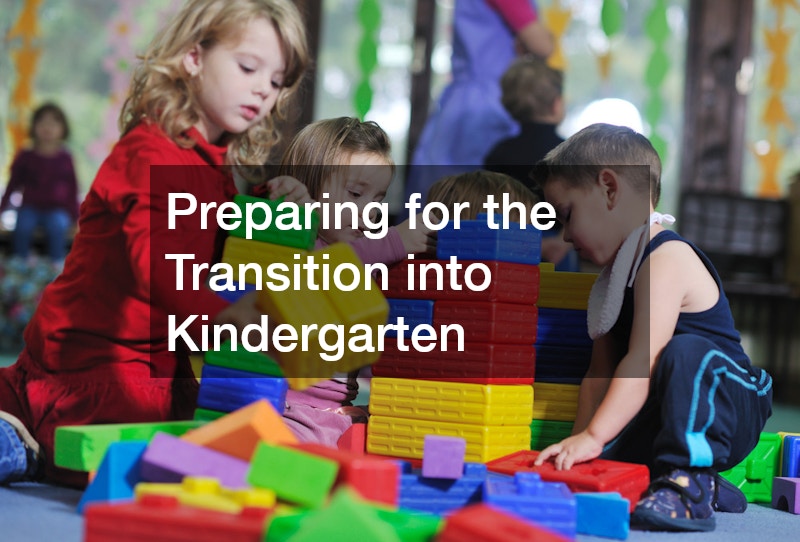
Kindergarten represents a significant milestone. It marks the beginning of formal education and introduces children to a more structured academic environment.
Children entering kindergarten are expected to have basic social and academic skills. These include recognizing letters, understanding simple instructions, and interacting appropriately with peers. While not every child develops at the same pace, early preparation can ease this transition.
Families who enroll their children in a local private preschool often find that smaller class sizes and personalized attention help build confidence before this next step. These programs may offer more individualized support, allowing children to progress at their own pace.
Parents should also consider emotional readiness. Confidence, independence, and the ability to manage simple tasks are just as important as academic skills.
It is also helpful to establish routines at home. Regular bedtimes, reading habits, and consistent schedules can reinforce what children experience in the classroom. These small steps create a sense of stability that supports learning. Encouraging children to take on small responsibilities at home can also build independence and prepare them for classroom expectations. Practicing simple tasks like organizing toys or following instructions can make the transition smoother.
Comparing Daycares, Preschools, and Kindergartens
Understanding the differences between each option helps parents choose the right fit for their child.
Daycares typically focus on care and supervision, with some learning elements woven into daily activities. Preschool introduces structured learning while still emphasizing play and exploration. Kindergarten, on the other hand, follows a more formal curriculum aligned with educational standards.
Each stage builds on the previous one. A toddler preschool environment may focus on basic socialization and early communication skills, while later programs introduce more advanced concepts.
The key is recognizing that no single option is universally better. The best choice depends on the child’s age, developmental stage, and individual needs.
Parents should also think about long-term goals. Some families prefer a gradual transition into structured learning, while others seek early academic exposure. Both paths can be effective when matched to the child’s readiness. Taking time to reflect on a child’s temperament can make this decision much clearer. Observing how a child responds to new environments can offer valuable insight.
The Role of Summer Camps in Early Learning
Many parents overlook the value of summer camps in early childhood education. These programs provide opportunities for continued growth outside the traditional school year.
Children who attend summer camps often benefit from new experiences, social interaction, and hands-on learning. Activities may include outdoor play, creative projects, and group challenges that build teamwork and confidence.
These programs can also help reinforce skills learned during the academic year. For children preparing to enter a pre k program or kindergarten, this extra exposure can make a meaningful difference.
Parents should look for programs that align with their child’s interests. Whether focused on art, nature, or general enrichment, the goal is to create a positive and engaging experience.
In addition, summer programs can help maintain routine. Long breaks without structure may cause children to lose some of the habits they have developed. Participating in organized activities helps keep them engaged and ready for the next school year. It can also provide a sense of continuity, which is especially helpful for younger children. Consistent engagement can reduce anxiety when returning to structured environments.
What to Look for in a Quality Learning Center
Not all programs are created equal. A strong learning center stands out through its commitment to both care and education.
Parents should begin by evaluating the environment. Clean, organized spaces with age-appropriate materials create a sense of safety and engagement. Classrooms should encourage exploration while maintaining structure.
Teacher qualifications are equally important. Experienced educators understand how to support different learning styles and developmental stages. They create environments where children feel valued and supported.
Communication is another key factor. Programs that keep parents informed through regular updates and open dialogue build trust and transparency.
When exploring childcare services, it is helpful to visit multiple locations. Observing interactions and asking questions provides valuable insight into the program’s overall quality.
Parents may also want to ask about safety protocols and emergency procedures. Knowing that a program is prepared for unexpected situations can provide peace of mind. Clear policies and well-trained staff can make a significant difference in how safe a parent feels leaving their child in someone else’s care. A welcoming atmosphere can also help children adjust more quickly.
Choosing the Right Local Private Preschool for Your Family
Selecting a local private preschool often comes down to finding the right balance between structure, flexibility, and personal attention.
Private programs may offer smaller class sizes, specialized curricula, and enhanced enrichment opportunities. This can be especially beneficial for children who thrive in more focused environments.
Parents should consider their child’s personality when making this decision. Some children do well in highly structured settings, while others benefit from more flexible, play-based approaches.
It is also important to evaluate the program’s philosophy. A good fit aligns with the family’s values and educational goals.
Visiting the facility, meeting staff, and observing daily routines can help parents feel more confident in their choice.
Parents should also consider location and scheduling. Convenience plays a role in maintaining consistency, which is essential for young children adjusting to new routines. Asking about parent involvement opportunities can also provide insight into how welcoming and collaborative the environment is. Feeling connected to the program can improve the overall experience.
Supporting Growth Through Toddler Preschool Programs
Early education often begins with a toddler preschool experience. These programs introduce young children to group settings while supporting basic developmental milestones.
At this stage, the focus is on socialization, communication, and emotional growth. Children learn how to share, follow simple instructions, and express themselves.
Parents may notice significant changes during this period. Increased independence, improved language skills, and greater curiosity are all common.
Programs designed for younger children should emphasize safety and nurturing care. At the same time, they should provide opportunities for exploration and discovery.
This early exposure lays the groundwork for future success in preschool and beyond.
It is also important for parents to stay involved during this stage. Regular communication with teachers and reinforcing learning at home can strengthen progress and build confidence. Simple activities like reading together or practicing basic routines can make a meaningful impact. Consistency between home and school environments often leads to better outcomes.
Balancing Academics and Play in Early Childhood Education
One of the most common concerns parents have is finding the right balance between academics and play. Both are essential components of early learning.
Play-based activities encourage creativity, problem-solving, and social interaction. Structured learning introduces foundational concepts and prepares children for future academic challenges.
The best preschools understand the importance of blending these approaches. They create environments where children can explore freely while also developing essential skills.
Parents should look for programs that avoid extremes. Too much structure can feel overwhelming, while too little may not provide enough preparation.
A balanced approach supports well-rounded development and keeps children engaged.
It is also worth noting that play often includes valuable learning moments. Activities such as building, drawing, and role-playing help children develop cognitive and social skills in a natural way. These experiences often leave a lasting impression because they are enjoyable and meaningful. When children enjoy learning, they are more likely to stay engaged over time.
Making a Confident and Informed Decision
Choosing between daycares, preschools, and kindergartens is not always straightforward. Each option offers unique benefits, and the right choice depends on the child and family.
Parents should take time to evaluate their priorities. Factors such as schedule, location, teaching style, and budget all play a role.
It is also helpful to trust personal observations. Visiting programs, speaking with staff, and watching how children interact can provide valuable insight.
Ultimately, the goal is to find an environment where the child feels safe, supported, and inspired to learn. With the right foundation, children are better prepared for future success both academically and socially.
By understanding the differences between each stage and carefully evaluating available options, families can make decisions that support their child’s growth every step of the way.
Leave a Reply