The transition from high school to the “real world” is often framed as a final destination, but in reality, it is merely the commencement of a much longer, more diverse journey. For many, the traditional four-year university path is the default expectation, yet it is far from the only—or even necessarily the best—route to success. The modern economy thrives on specialization, technical skill, and continuous personal development. Whether you are looking to enter a high-demand trade, master a creative art, or pivot into a health-related field, the opportunities for post-secondary education are vast. Adopting a mindset that “education never stops” allows you to remain adaptable, financially secure, and personally fulfilled. This guide explores the myriad ways you can continue your learning journey, emphasizing hands-on training, specialized instruction, and the pursuit of lifelong disciplines.
Exploring Hands-On Career Training Opportunities
For many students, the sedentary nature of a traditional classroom is more of a hurdle than a help. Hands-on career training offers an alternative where learning is done through action rather than just observation. These programs are designed to bridge the gap between theory and practice, ensuring that by the time you graduate, you are not just knowledgeable, but proficient in your craft. This style of education is particularly prevalent in industries where tactile skill and aesthetic judgment are paramount.
Enrolling in a beauty school is a prime example of this kinetic learning style. In this environment, students spend a significant portion of their time working with actual clients under the supervision of experienced instructors. You learn the chemistry of hair color, the geometry of a precision cut, and the biology of skin care by doing the work. This immediate application of knowledge builds muscle memory and professional confidence. For those who enjoy social interaction and creative expression, hands-on vocational training provides a direct and efficient path to a licensed professional career without the four-year wait.
Finding Programs Close to Home for Convenience
One of the biggest barriers to continuing education is the logistical challenge of relocation or long commutes. For many young adults, staying within their community allows them to balance work and family responsibilities while pursuing their goals. Fortunately, specialized vocational programs are increasingly accessible in local hubs, providing high-quality instruction without the need for a major life upheaval.
Searching for a local beauty school or community college can reveal hidden gems of professional training right in your backyard. Local institutions often have deep ties to the regional economy, meaning their curricula are tailored to meet the specific needs of local employers. This proximity also facilitates networking; the people you train alongside today are the same professionals who will be your colleagues and mentors tomorrow. By choosing a program close to home, you reduce the “friction” of education, making it easier to stay committed to your long-term career objectives.
Learning Skilled Trades With Strong Career Potential
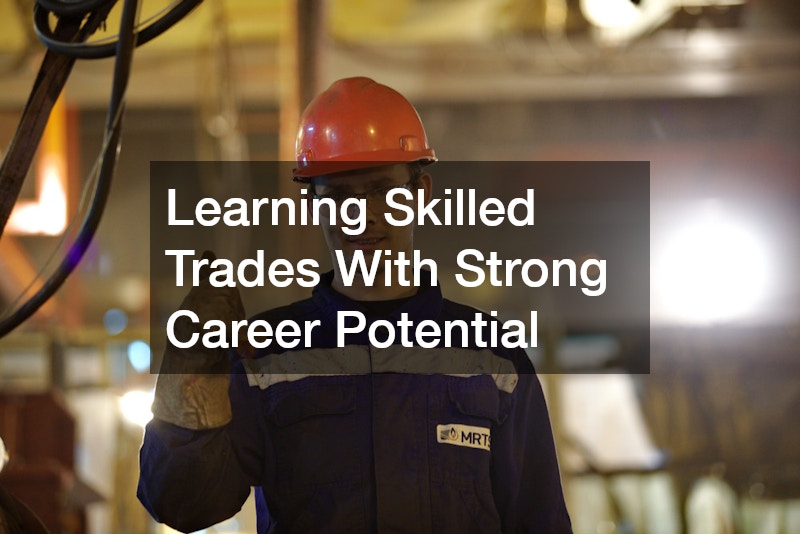
The “skills gap” is a well-documented phenomenon in the modern workforce. There is an enormous demand for skilled tradespeople, yet many of these positions remain unfilled due to a lack of trained applicants. Entering a skilled trade is not just a backup plan; it is a strategic move into a sector with high job security, excellent pay, and the potential for entrepreneurship.
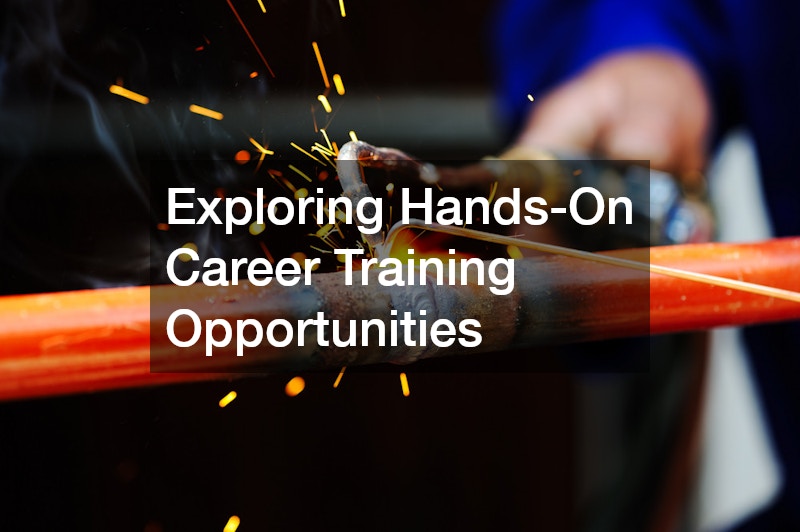
Specifically, welder training offers a pathway into an industry that is the literal backbone of our infrastructure. From aerospace and automotive manufacturing to underwater construction and artistic fabrication, welding is a universal skill. A professional training program teaches you the physics of metallurgy, the safety protocols of high-heat environments, and the precision required for structural integrity. Because welders are essential in almost every sector of the global economy, this post-high school education provides a level of career “recession-proofing” that is hard to find in more traditional office-based roles.
Choosing Programs That Match Your Interests
One of the greatest joys of post-secondary education is the ability to finally specialize in what you love. High school requires a broad, often generalized curriculum, but post-high school learning is about narrowing your focus. When your education aligns with your natural interests, the “work” of studying becomes an act of passion. This alignment is the best predictor of long-term career satisfaction and success.
If you have always had a flair for aesthetics and a desire to help others feel confident, a specialized beauty program can turn those traits into a professional identity. Whether you focus on hair design, esthetics, or nail technology, these programs allow you to immerse yourself in the trends and techniques that fascinate you. When you are genuinely interested in the subject matter, you are more likely to seek out extra certifications and stay updated on industry advancements. Choosing a path that resonates with your personality ensures that your education feels like an investment in yourself rather than just a requirement for a paycheck.
Researching Schools With Specialized Instruction
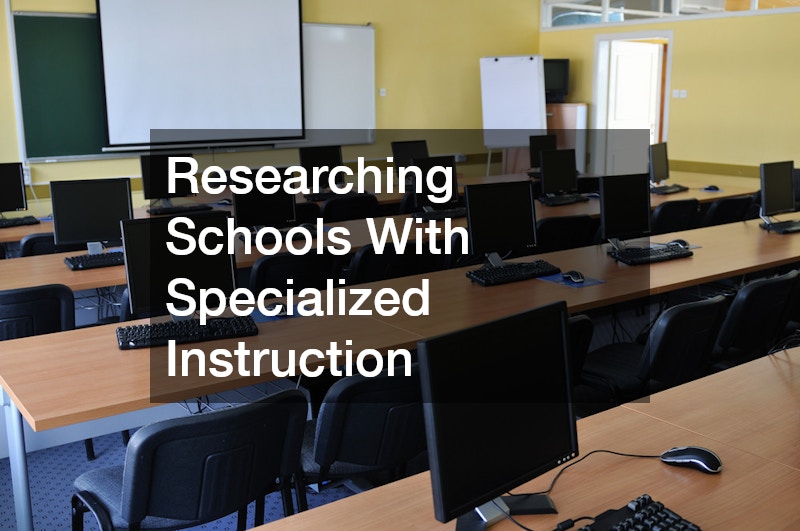
Not all vocational schools are created equal. As you look to continue your education, it is vital to research institutions that offer specialized instruction—meaning they don’t just teach the basics, but provide deep dives into niche aspects of the industry. Specialized instruction often involves smaller class sizes, more advanced technology, and instructors who are recognized leaders in their specific fields.
For those pursuing the arts of hair and skin, a local cosmetology school with a reputation for advanced technique can make a massive difference in your starting salary. Look for schools that offer training in specific areas like high-fashion editorial work, medical esthetics, or chemical texturizing. Specialized instruction prepares you for the high-end market, where clients are willing to pay a premium for expert knowledge. By doing your due diligence and choosing a school that goes beyond the standard state board requirements, you position yourself as a “specialist” from day one, which is a significant advantage in a competitive job market.
Preparing for Careers in Transportation and Logistics
The logistics industry is the circulatory system of the global economy. Everything we consume, from the food in our pantries to the materials in our homes, spent time on a truck. Careers in transportation offer a unique blend of independence, responsibility, and consistent demand. For those who enjoy the open road and have a strong sense of spatial awareness and safety, the logistics sector offers a clear path to a solid middle-class income.
Completing cdl training (Commercial Driver’s License) is a relatively short educational investment that yields immediate results. These programs teach you the mechanics of heavy vehicles, the regulations of the Department of Transportation, and the advanced driving techniques required to navigate various terrains and weather conditions. With a CDL in hand, you become part of an essential workforce. Many trucking companies even offer tuition reimbursement or paid training, making this one of the most accessible forms of post-high school education for those who want to start earning quickly while continuing to learn on the job.
Developing Creative Skills Through Movement and Expression
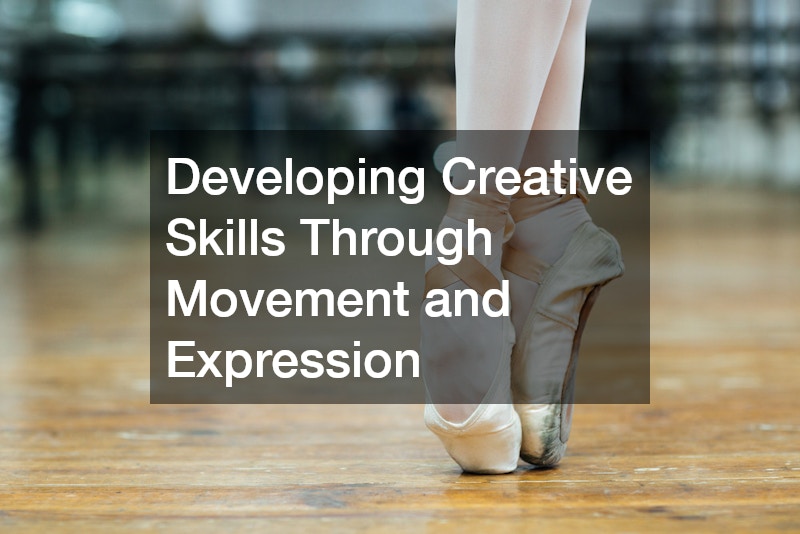
Education is not solely about vocational output; it is also about the development of the “self.” Continuing your learning through creative and physical expression is essential for a balanced life. Creative outlets provide a necessary release from the stresses of professional life and help develop cognitive skills like pattern recognition, coordination, and emotional intelligence.
Enrolling in hip hop dance classes as an adult is a fantastic way to keep both the mind and body sharp. Dance is a complex form of “movement education” that requires you to memorize choreography, understand rhythm, and collaborate with a group. It is an education in culture, history, and physical discipline. For those who spent their high school years in structured sports or arts, continuing these pursuits in adulthood ensures that your creative muscles don’t atrophy. It provides a community of like-minded individuals and a space where the goal of learning is pure joy and self-expression.
Building Discipline and Confidence Through Structured Training
Some of the most valuable lessons we learn after high school aren’t found in a textbook, but on a mat. Structured physical training—specifically in the martial arts—offers an education in character that is difficult to replicate elsewhere. These programs are designed to push you past your perceived limits, teaching you that “failure” is simply a data point on the road to mastery.
Participating in karate classes for adults provides a rigorous education in self-discipline, focus, and conflict resolution. While the physical techniques are the primary focus, the underlying philosophy of martial arts is about the mastery of the ego. This type of learning builds a level of “quiet confidence” that carries over into your professional and personal life. You learn how to stay calm under pressure, how to respect your “opponents” (or competitors), and how to set and achieve incremental goals (belts). In a world that often feels chaotic, the structured environment of a dojo offers a grounding education in the power of persistence.
Expanding Knowledge in Health and Wellness Fields
As our understanding of human biology and nutrition evolves, the health and wellness sector has become a major frontier for continuing education. Whether you are interested in a career in nursing, physical therapy, or nutrition, or you simply want to manage your own health more effectively, the available coursework is vast. Health education is a life-long requirement as new research constantly emerges.
For individuals interested in the science of metabolism and lifestyle medicine, taking a medical weight loss class can be an eye-opening educational experience. These classes go beyond “dieting” to explore the hormonal, psychological, and physiological drivers of weight and health. For those looking to enter the medical field, these specialized courses provide a foundation in patient counseling and metabolic health. For the layperson, they provide the “literacy” needed to navigate a world of conflicting health information. Education in wellness is perhaps the most personal investment you can make, as it directly impacts your longevity and quality of life.
Pursuing Long-Term Careers Through Apprenticeships
Finally, one of the most respected forms of post-high school education is the apprenticeship. An apprenticeship is the original form of “earn while you learn.” It is a multi-year commitment where you work under the guidance of a master craftsman while also completing classroom instruction. This model ensures that you are gaining real-world experience and a paycheck while you work toward journey-level status.
Joining a union apprenticeship is often the gold standard for trade education. These programs—whether in electrical work, plumbing, carpentry, or ironwork—offer world-class training facilities and a clear pathway to high-paying, pension-backed careers. The “education” in an apprenticeship is comprehensive; you learn the legal codes, the advanced mathematics, and the intricate skills of your trade. More importantly, you are educated in the history and values of the labor movement. An apprenticeship is not just a job; it is a professional pedigree that guarantees a certain level of excellence and a lifetime of belonging to a skilled brotherhood or sisterhood.
In conclusion, the end of high school is not the end of your education; it is the moment you gain the freedom to choose your own teachers. Whether you find yourself in a beauty school classroom, a welder’s booth, a dance studio, or a union hall, the act of learning is what keeps you vibrant and relevant. The modern world belongs to those who view themselves as lifelong students. By pursuing hands-on career training, specialized instruction, and personal disciplines like martial arts or wellness, you create a life that is rich in both skill and purpose. Education is the only asset that cannot be taken from you, and by continuing to invest in your mind and your hands, you ensure that your future remains as bright and expansive as the day you graduated. Never stop asking questions, never stop practicing your craft, and never stop believing that the best version of yourself is still under construction.
Furthermore, the value of post-high school learning extends beyond the individual to the community at large. A society of lifelong learners is a society that can solve problems, innovate, and adapt to the challenges of the future. When you choose to master a trade like welding or a profession like cosmetology, you are contributing to the stability and beauty of the world around you. When you commit to a discipline like karate or dance, you are becoming a more focused, balanced citizen. Education, in all its various forms, is the engine of progress. By continuing your learning journey, you are doing more than just building a career; you are participating in the grand human tradition of growth and mastery. So, look around your local community, research the programs that spark your curiosity, and take that next step. The classroom is everywhere, and the lessons are waiting for you to begin.
Leave a Reply